MolDraw › Templates › Reaction setups
Reaction setups templates
102 templates · 3 free to download · for school and university practical chemistry
Over a hundred lab apparatus setup templates: heating under reflux, simple and fractional distillation, Dean–Stark, Soxhlet extraction, vacuum filtration, separating funnels, reactions under nitrogen, titration, TLC, recrystallisation, melting point, gas preparation and many school physics and biology practicals, all drawn with connected glassware.
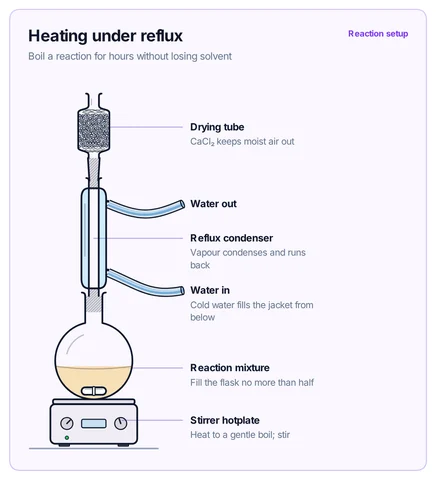 Heating under refluxFree
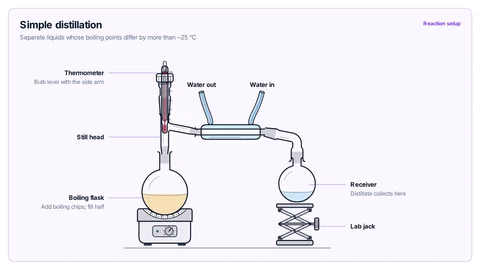 Simple distillationFree
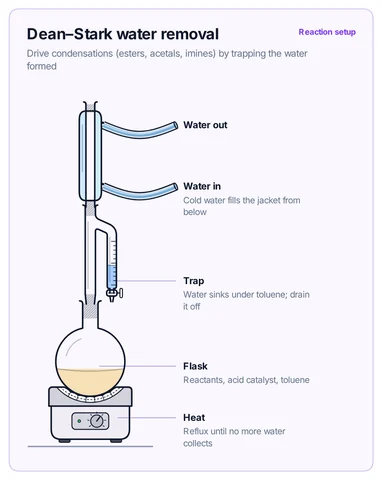 Dean–Stark water removalFree
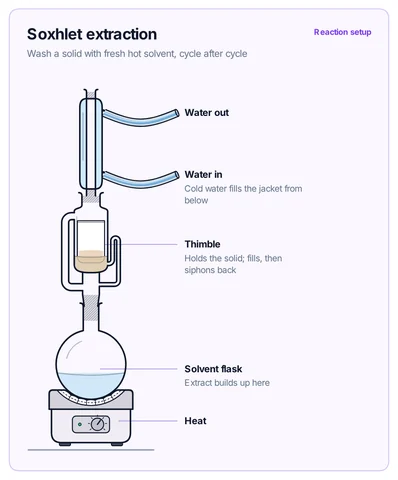 Soxhlet extractionPremium
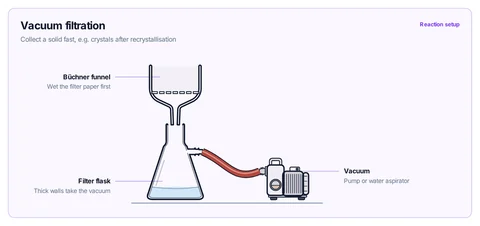 Vacuum filtrationPremium
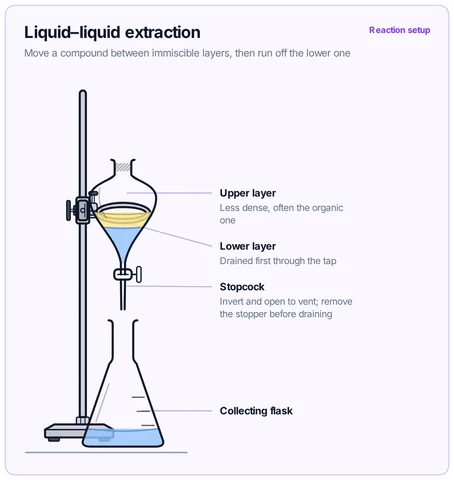 Liquid–liquid extractionPremium
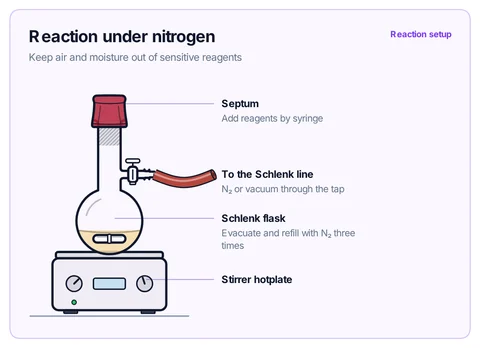 Reaction under nitrogenPremium
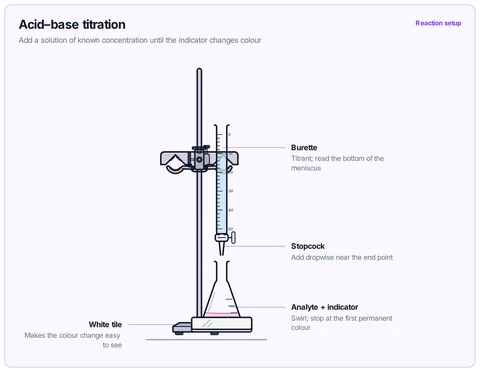 Acid–base titrationPremium
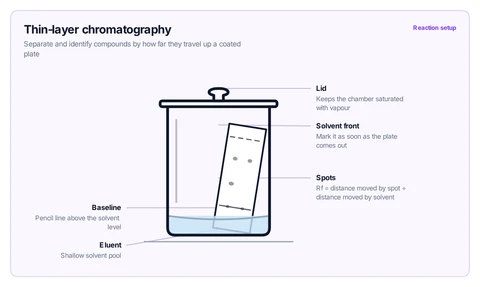 Thin-layer chromatographyPremium
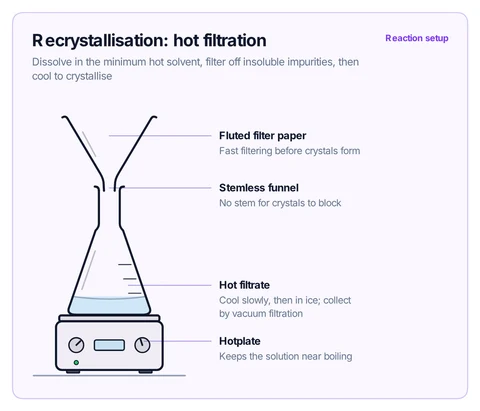 Recrystallisation: hot filtrationPremium
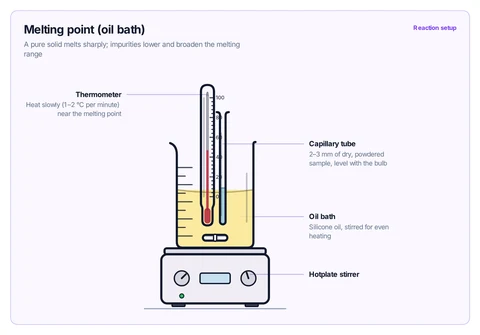 Melting point (oil bath)Premium
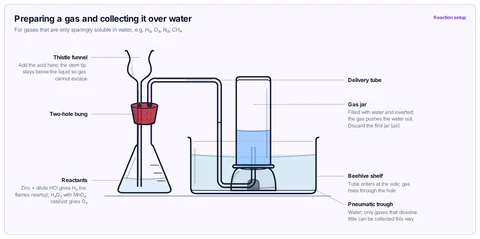 Preparing a gas and collecting it over waterPremium
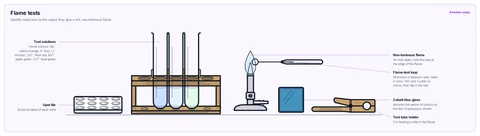 Flame testsPremium
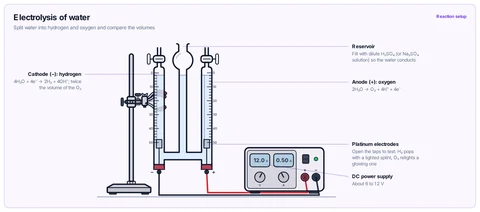 Electrolysis of waterPremium
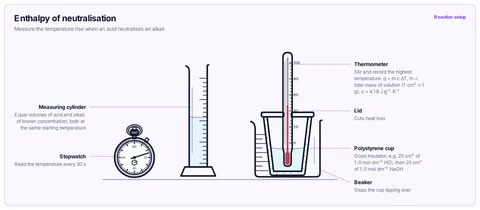 Enthalpy of neutralisationPremium
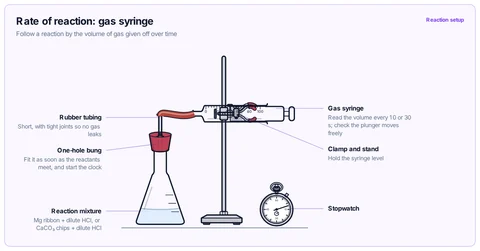 Rate of reaction: gas syringePremium
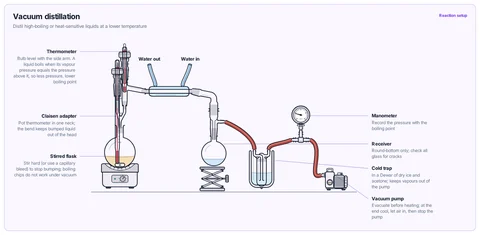 Vacuum distillationPremium
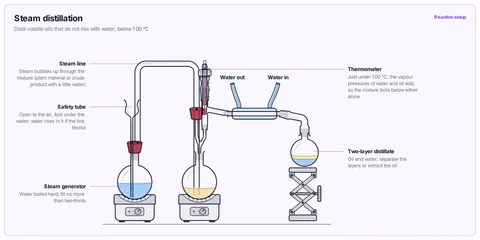 Steam distillationPremium
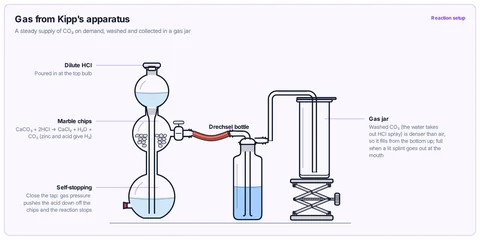 Gas from Kipp's apparatusPremium
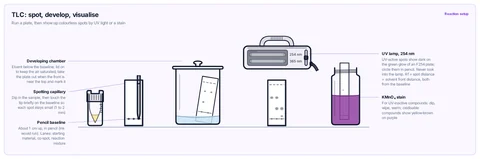 TLC: spot, develop, visualisePremium
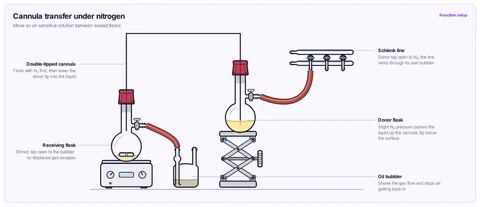 Cannula transfer under nitrogenPremium
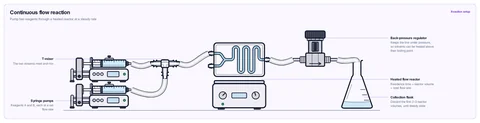 Continuous flow reactionPremium
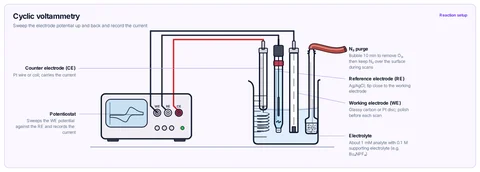 Cyclic voltammetryPremium
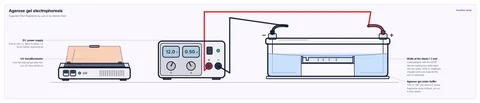 Agarose gel electrophoresisPremium
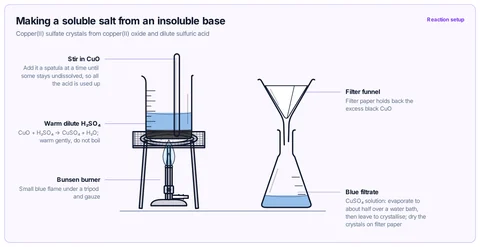 Making a soluble salt from an insoluble basePremium
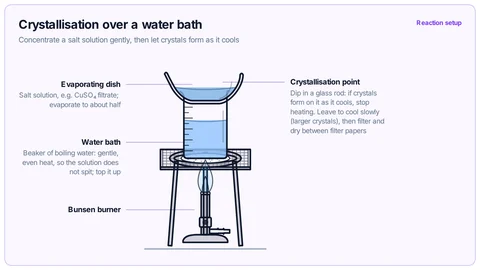 Crystallisation over a water bathPremium
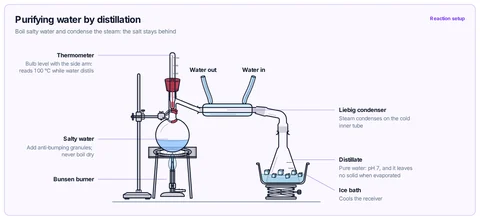 Purifying water by distillationPremium
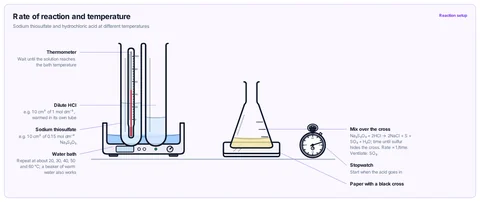 Rate of reaction and temperaturePremium
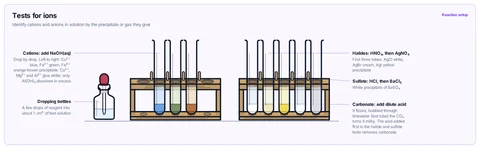 Tests for ionsPremium
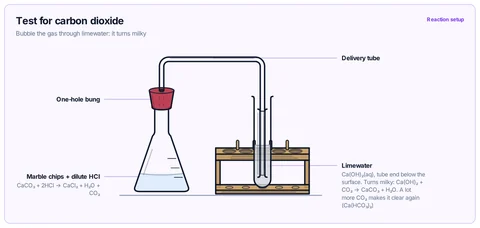 Test for carbon dioxidePremium
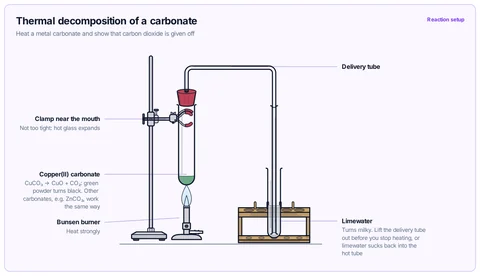 Thermal decomposition of a carbonatePremium
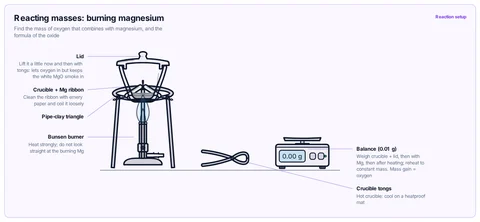 Reacting masses: burning magnesiumPremium
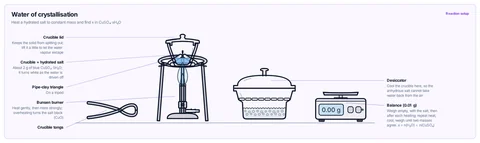 Water of crystallisationPremium
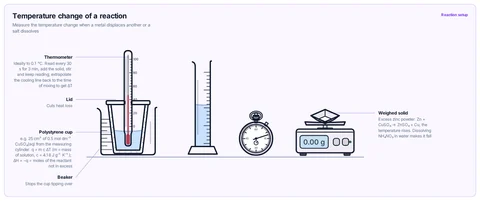 Temperature change of a reactionPremium
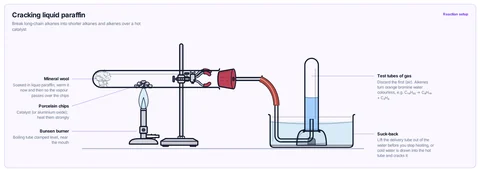 Cracking liquid paraffinPremium
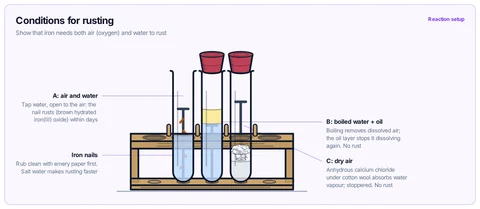 Conditions for rustingPremium
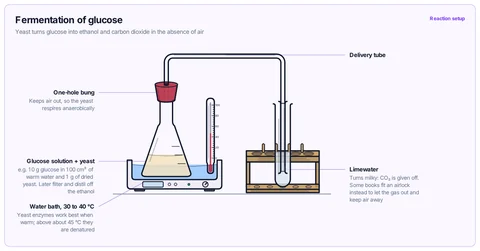 Fermentation of glucosePremium
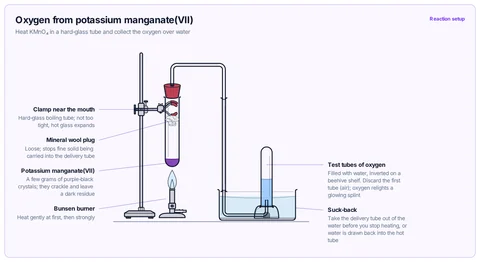 Oxygen from potassium manganate(VII)Premium
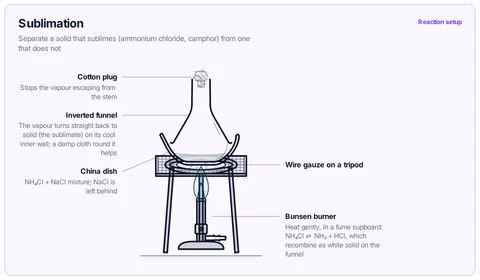 SublimationPremium
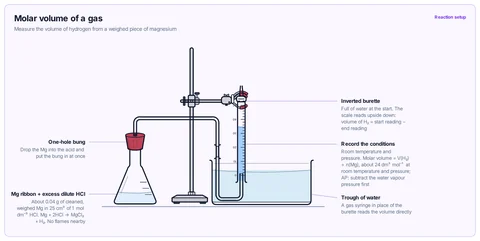 Molar volume of a gasPremium
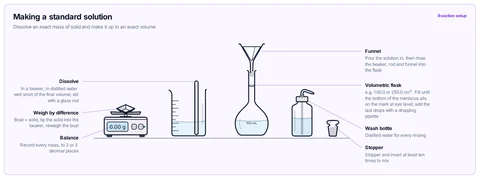 Making a standard solutionPremium
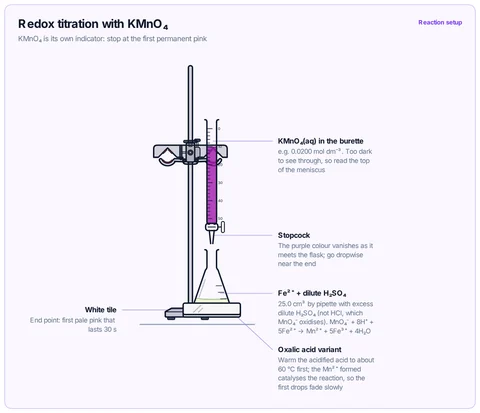 Redox titration with KMnO₄Premium
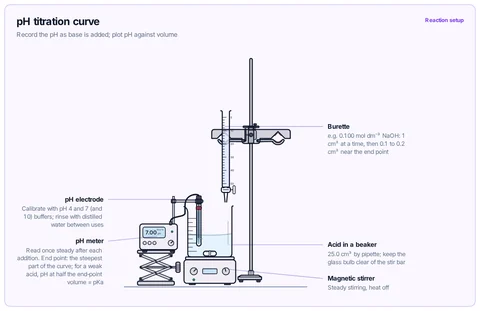 pH titration curvePremium
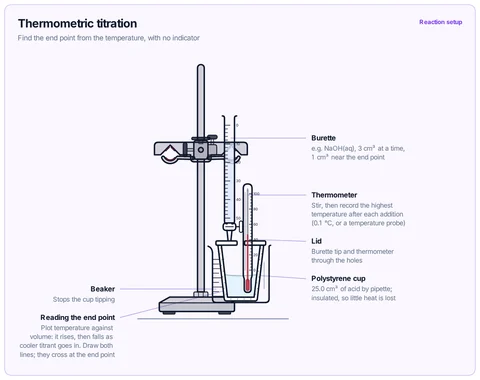 Thermometric titrationPremium
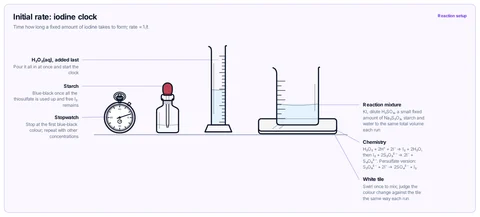 Initial rate: iodine clockPremium
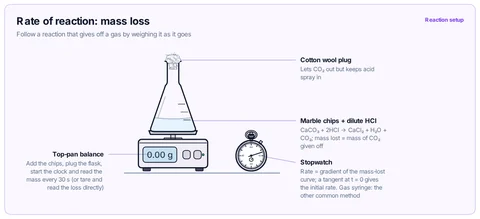 Rate of reaction: mass lossPremium
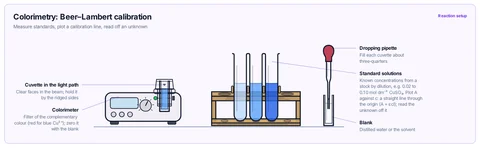 Colorimetry: Beer–Lambert calibrationPremium
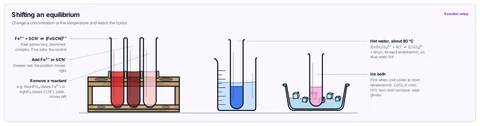 Shifting an equilibriumPremium
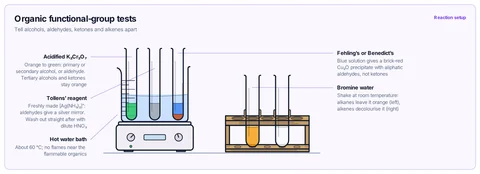 Organic functional-group testsPremium
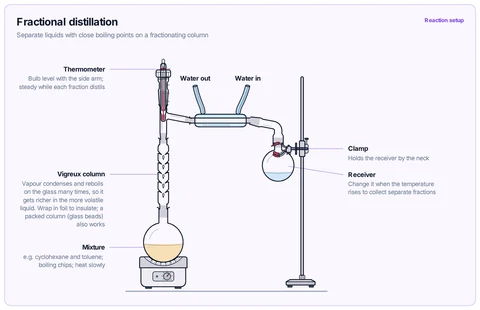 Fractional distillationPremium
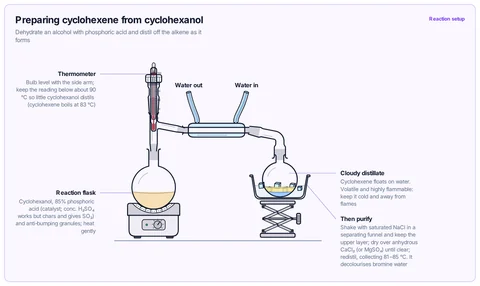 Preparing cyclohexene from cyclohexanolPremium
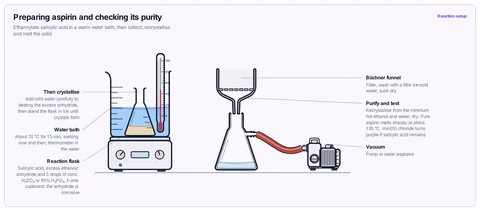 Preparing aspirin and checking its purityPremium
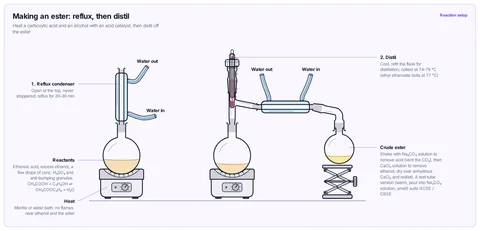 Making an ester: reflux, then distilPremium
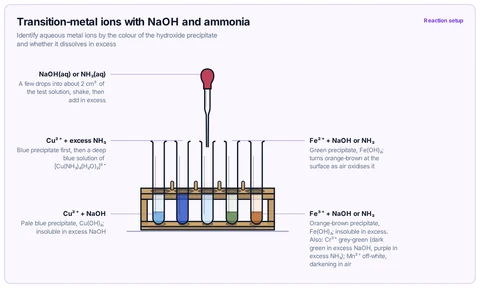 Transition-metal ions with NaOH and ammoniaPremium
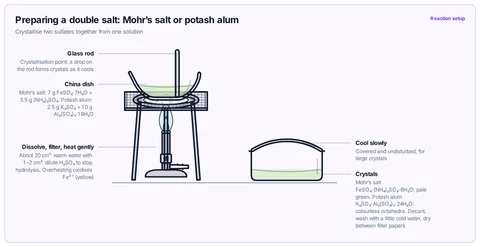 Preparing a double salt: Mohr's salt or potash alumPremium
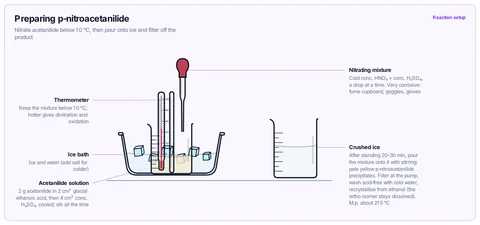 Preparing p-nitroacetanilidePremium
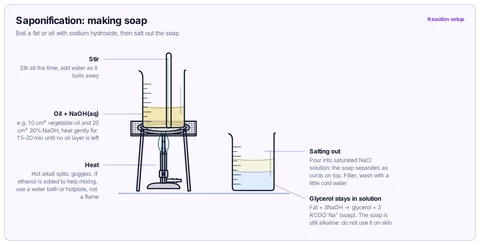 Saponification: making soapPremium
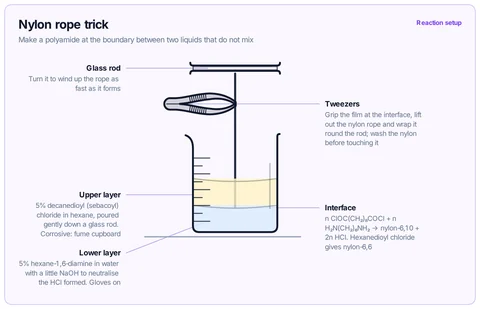 Nylon rope trickPremium
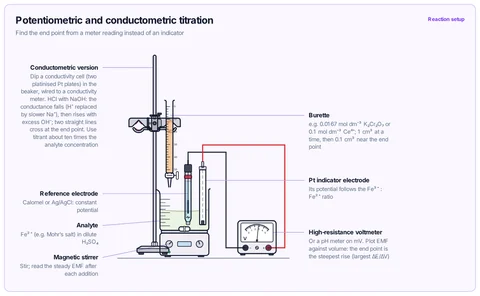 Potentiometric and conductometric titrationPremium
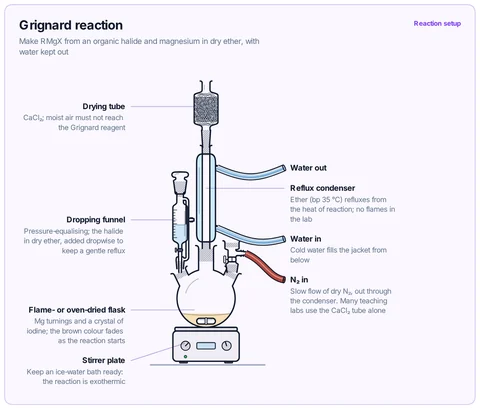 Grignard reactionPremium
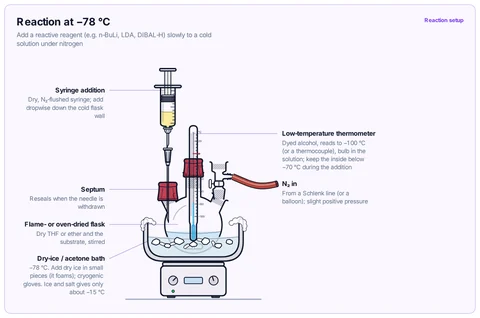 Reaction at −78 °CPremium
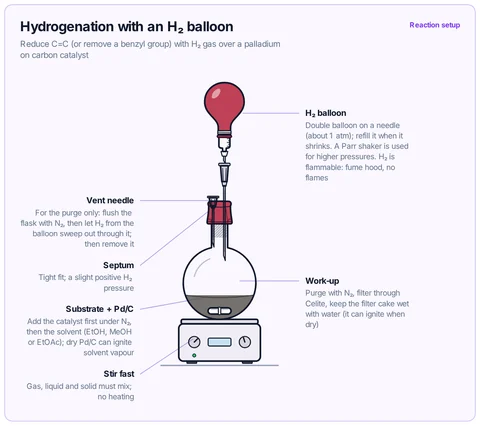 Hydrogenation with an H₂ balloonPremium
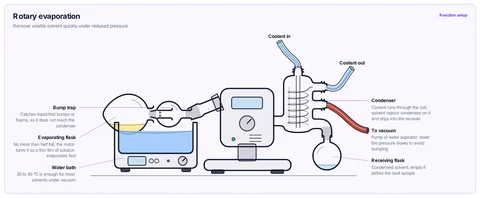 Rotary evaporationPremium
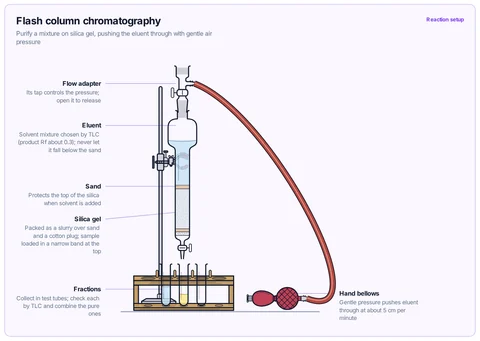 Flash column chromatographyPremium
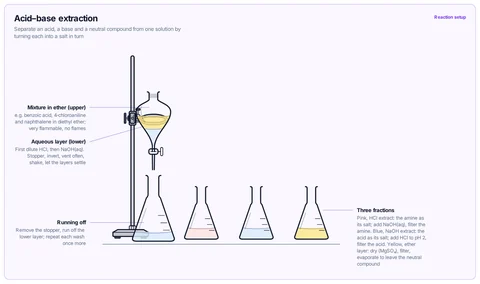 Acid–base extractionPremium
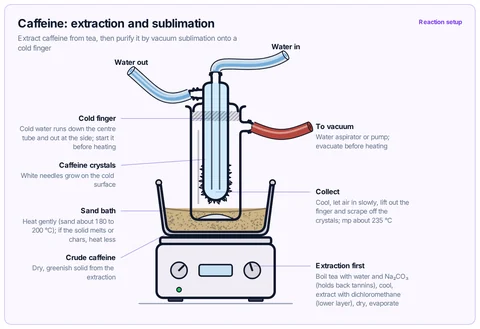 Caffeine: extraction and sublimationPremium
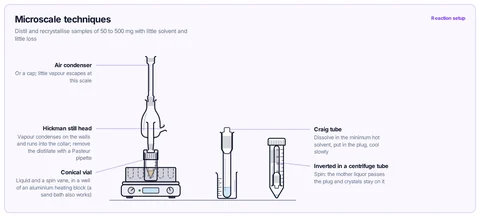 Microscale techniquesPremium
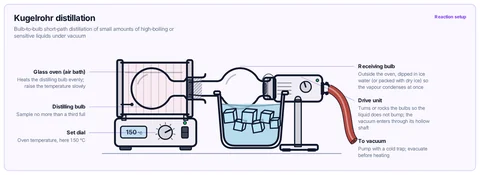 Kugelrohr distillationPremium
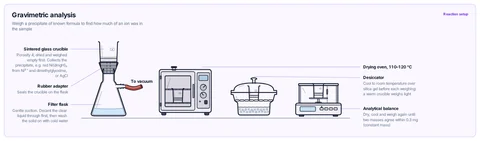 Gravimetric analysisPremium
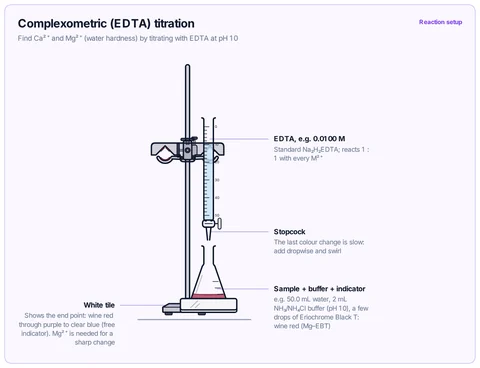 Complexometric (EDTA) titrationPremium
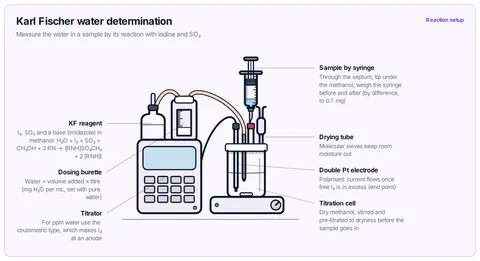 Karl Fischer water determinationPremium
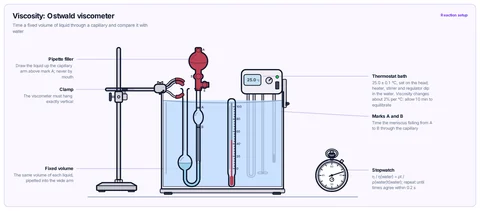 Viscosity: Ostwald viscometerPremium
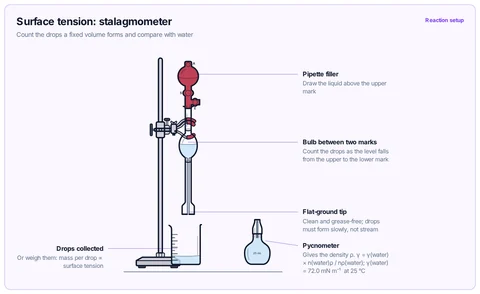 Surface tension: stalagmometerPremium
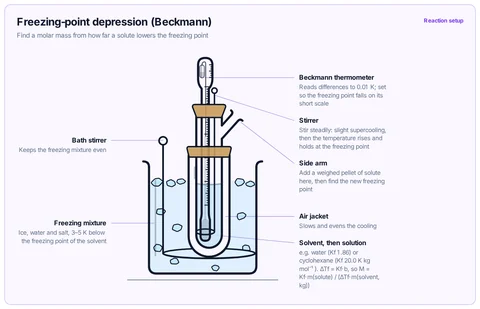 Freezing-point depression (Beckmann)Premium
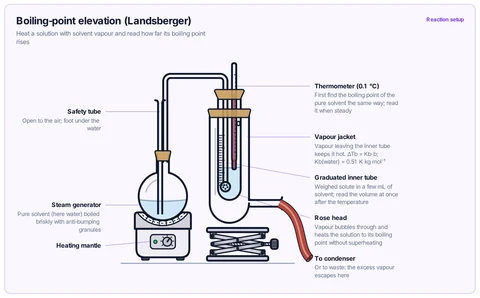 Boiling-point elevation (Landsberger)Premium
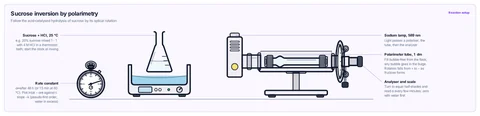 Sucrose inversion by polarimetryPremium
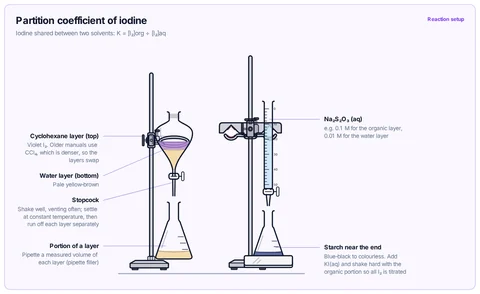 Partition coefficient of iodinePremium
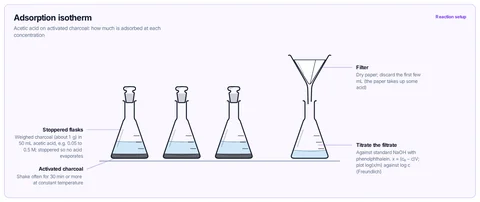 Adsorption isothermPremium
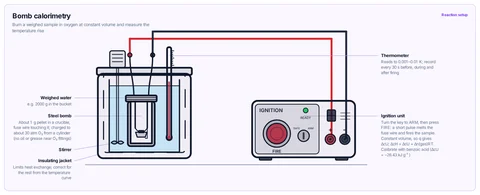 Bomb calorimetryPremium
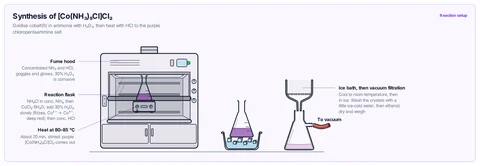 Synthesis of [Co(NH₃)₅Cl]Cl₂Premium
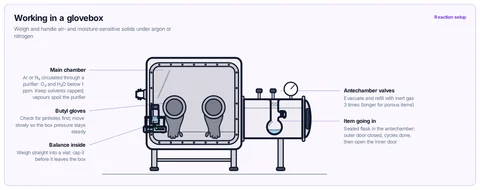 Working in a gloveboxPremium
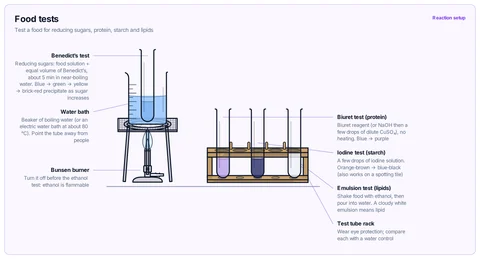 Food testsPremium
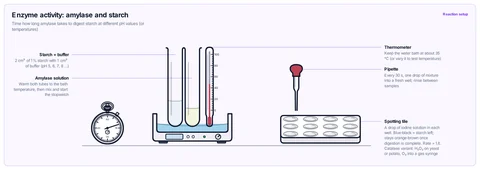 Enzyme activity: amylase and starchPremium
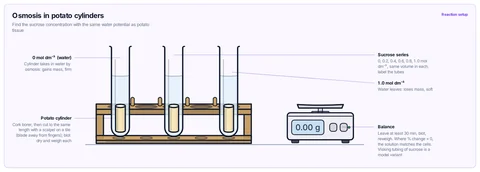 Osmosis in potato cylindersPremium
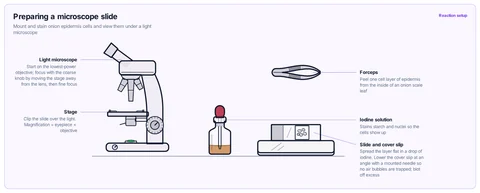 Preparing a microscope slidePremium
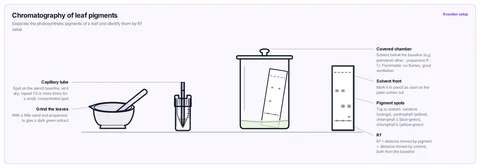 Chromatography of leaf pigmentsPremium
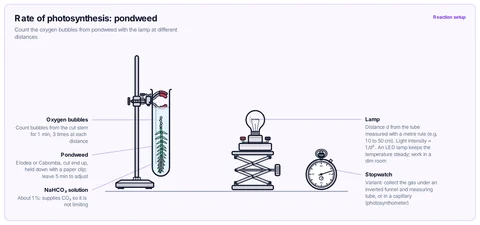 Rate of photosynthesis: pondweedPremium
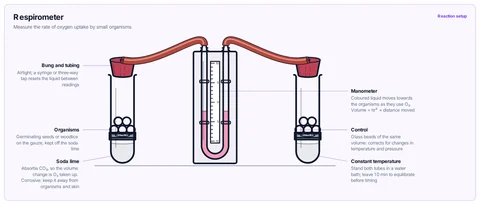 RespirometerPremium
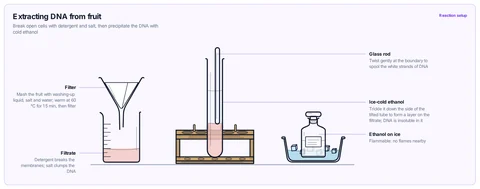 Extracting DNA from fruitPremium
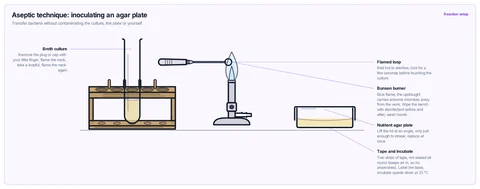 Aseptic technique: inoculating an agar platePremium
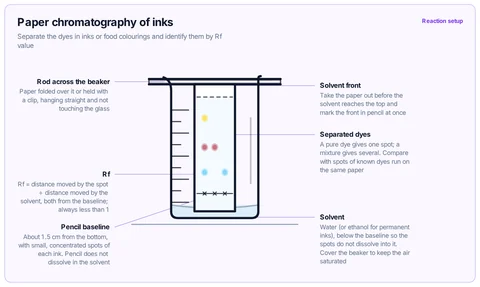 Paper chromatography of inksPremium
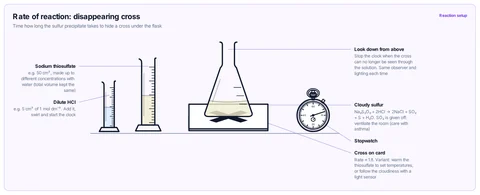 Rate of reaction: disappearing crossPremium
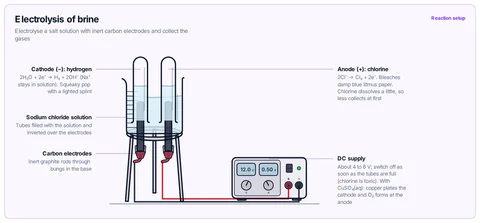 Electrolysis of brinePremium
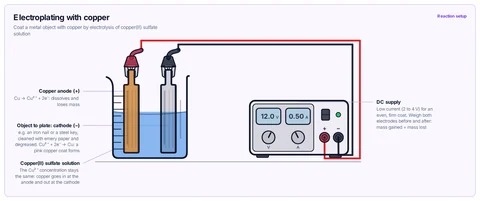 Electroplating with copperPremium
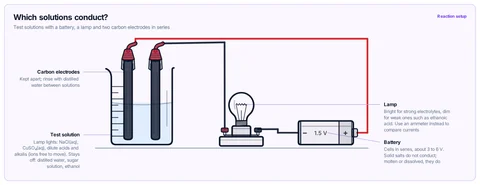 Which solutions conduct?Premium
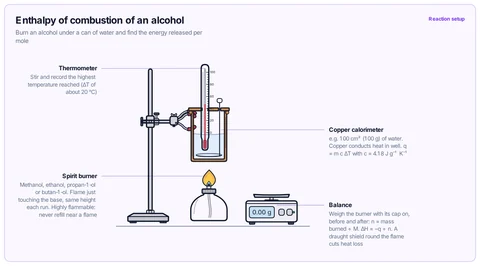 Enthalpy of combustion of an alcoholPremium
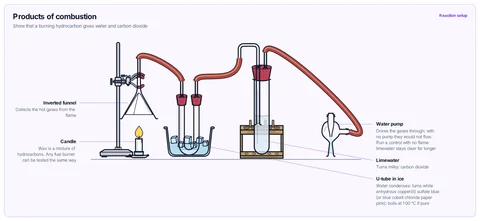 Products of combustionPremium
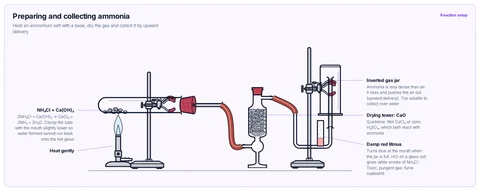 Preparing and collecting ammoniaPremium
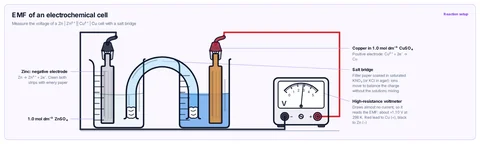 EMF of an electrochemical cellPremium
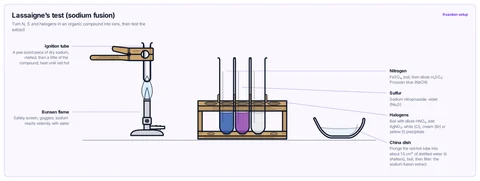 Lassaigne's test (sodium fusion)Premium
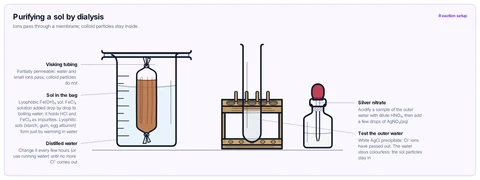 Purifying a sol by dialysisPremium
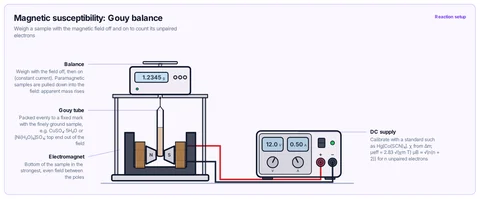 Magnetic susceptibility: Gouy balancePremium
Frequently asked questions
Can I edit the glassware?
Yes. Every piece of glassware is a MolDraw apparatus object: move, resize, recolour the liquid or swap a piece and the joints stay connected.
Are these setups suitable for lab reports?
Yes. Export the diagram as PNG, SVG or PDF and add it to your report or practical worksheet.
Are the reaction setups templates free?
3 of the 102 reaction setups templates are free to download. All of them can be previewed here and opened and edited in MolDraw; downloading the premium ones is part of MolDraw Pro.