MolScript-Galerie: Reaktionsmechanismen als Text geschrieben
Jeder Mechanismus unten besteht aus wenigen Zeilen MolScript und der Zeichnung, die MolDraw daraus erstellt. Es sind dieselben Skripte, die MolDraw bei jeder Änderung testet: Jedes muss sich so zeichnen lassen, dass jeder Elektronenpfeil nach den Zeichenregeln sitzt, und seine Pfeile müssen Elektron für Elektron genau die danach angegebenen Produkte ergeben. Ein Mechanismus erscheint hier nur, wenn er diesen Test besteht.
Kopiere ein beliebiges Skript in den MolScript-Tab des Templates-Bereichs in MolDraw oder bitte den KI-Assistenten um einen Mechanismus und bearbeite ihn von dort aus.
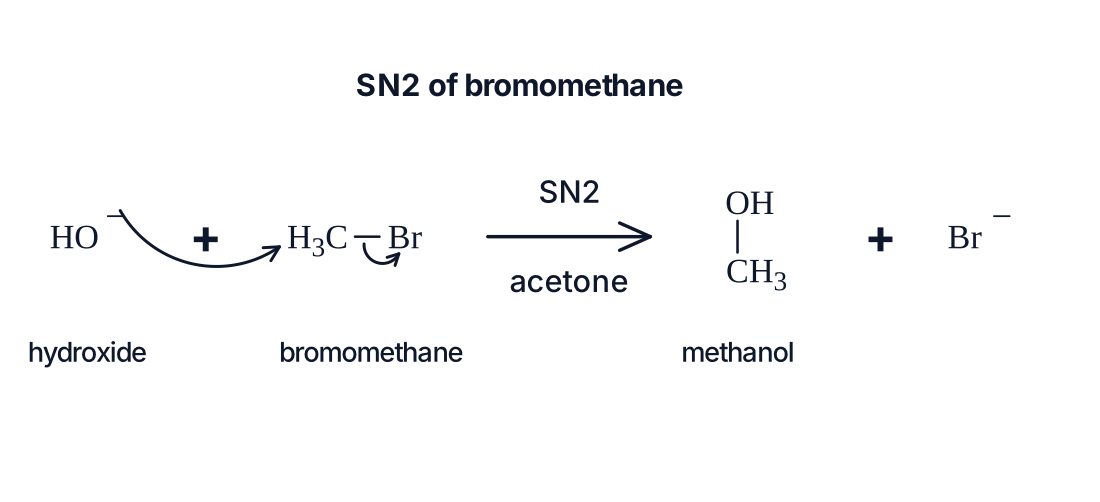
SN2
title: SN2 of bromomethane
[OH-:1] "hydroxide" + [CH3:2][Br:3] "bromomethane" ->[SN2][acetone] CO "methanol" + [Br-]
move :1 -> 1..2
move 2-3 -> 3
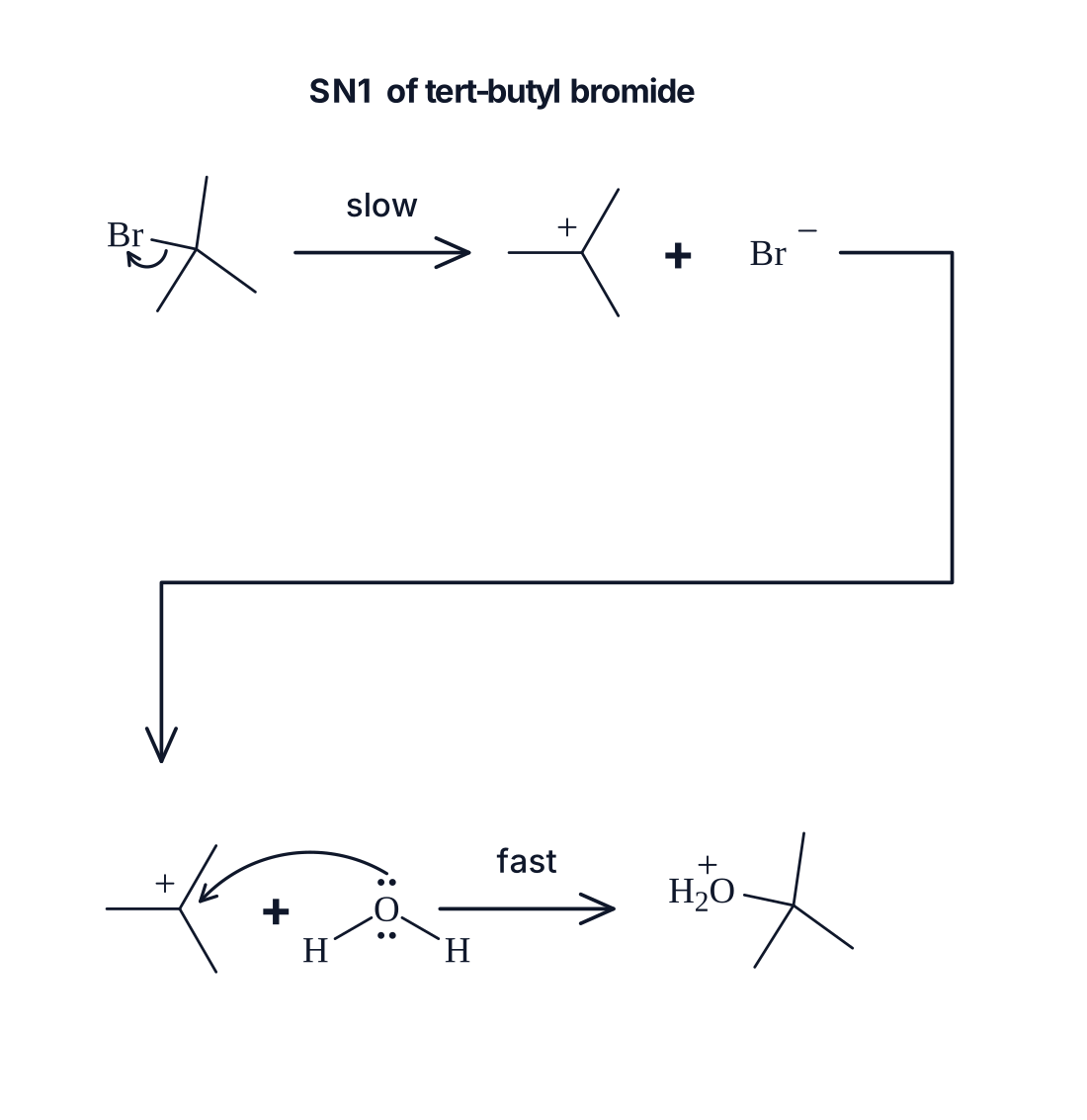
SN1
title: SN1 of tert-butyl bromide
C[C:1](C)(C)[Br:2] ->[slow] C[C+:3](C)C + [Br-]
move 1-2 -> 2
-> C[C+:4](C)C + [OH2:5]
move :5 -> 5..4
->[fast] CC(C)(C)[OH2+]
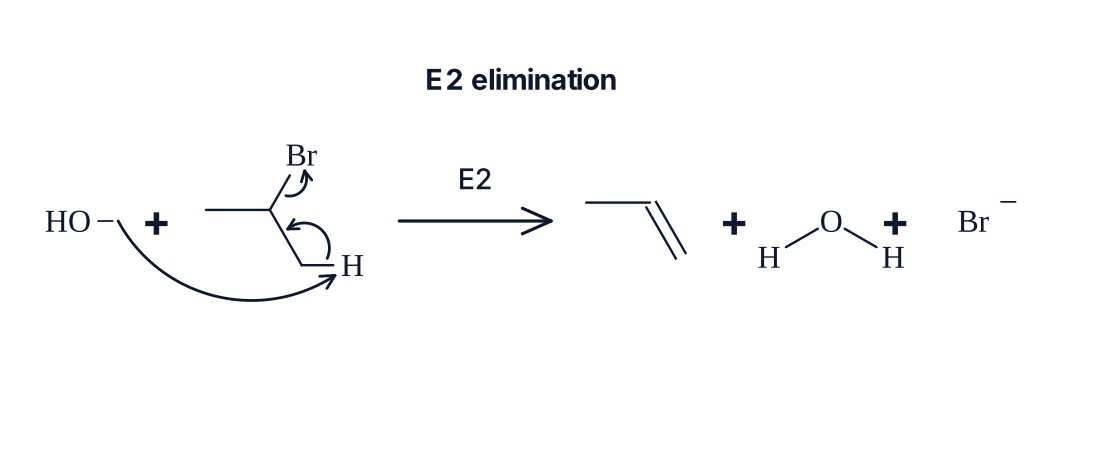
E2
title: E2 elimination
[OH-:1] + [H:4][CH2:2][CH:3](C)[Br:5] ->[E2] C=CC + O + [Br-]
move :1 -> 1..4; 4-2 -> 2-3; 3-5 -> 5
Cyanhydrin
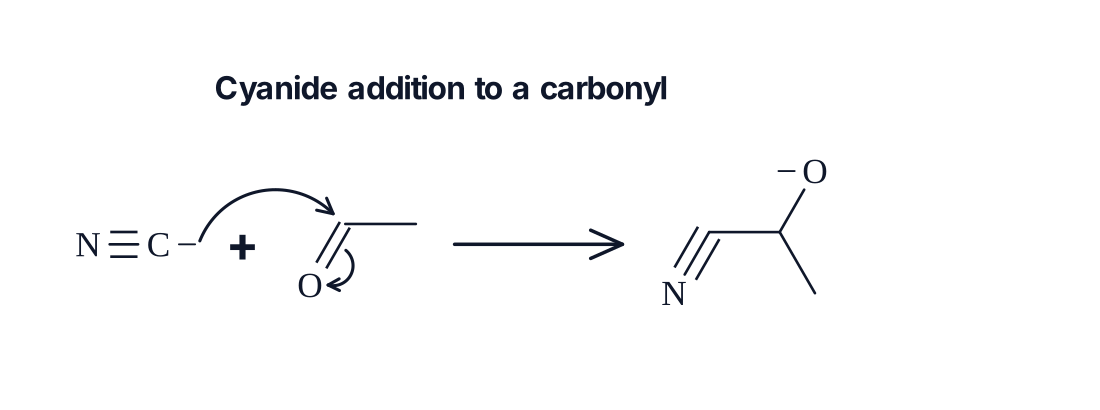
title: Cyanide addition to a carbonyl
[C-:1]#N + C[CH:2]=[O:3] -> CC([O-])C#N
move :1 -> 1..2
move 2-3 -> 3
Hydridreduktion
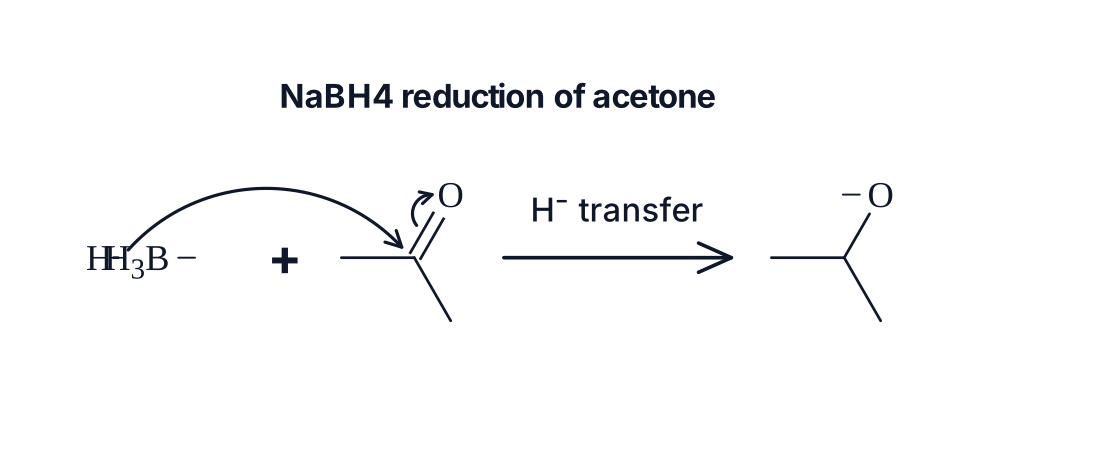
title: NaBH4 reduction of acetone
[H:1][BH3-:2] + C[C:3](C)=[O:4] ->[H⁻ transfer] CC([O-])C
move 1-2 -> 1..3
move 3-4 -> 4
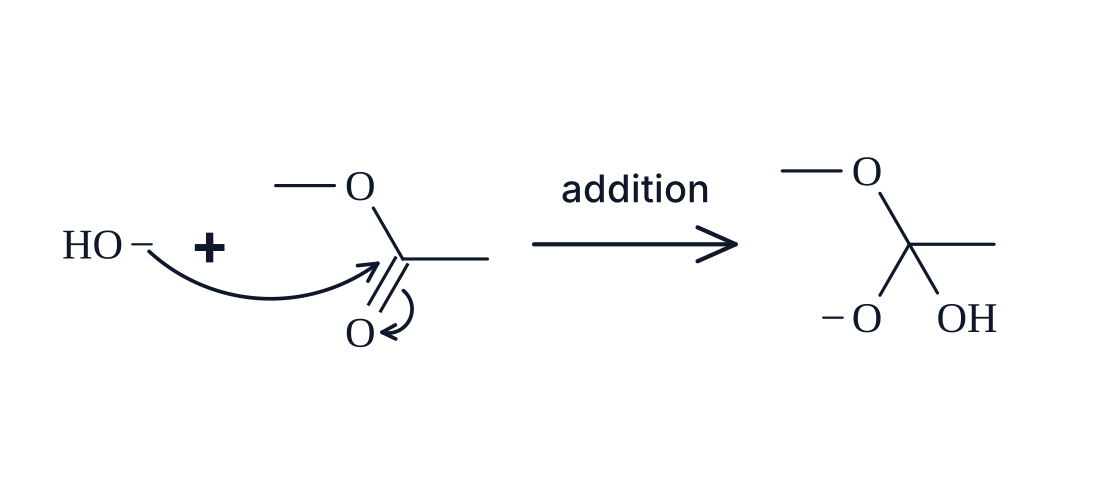
Esterhydrolyse (Additionsschritt)
[OH-:1] + C[C:2](=[O:3])OC ->[addition] CC([O-])(O)OC
move :1 -> 1..2
move 2-3 -> 3
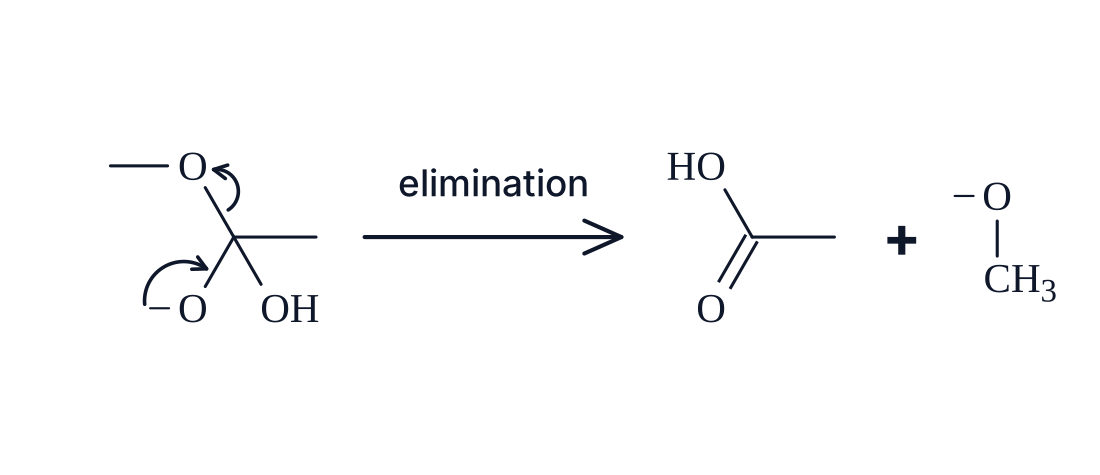
Zerfall der tetraedrischen Zwischenstufe
C[C:1]([O-:2])(O)[O:3]C ->[elimination] CC(=O)O + [O-]C
move :2 -> 2-1
move 1-3 -> 3
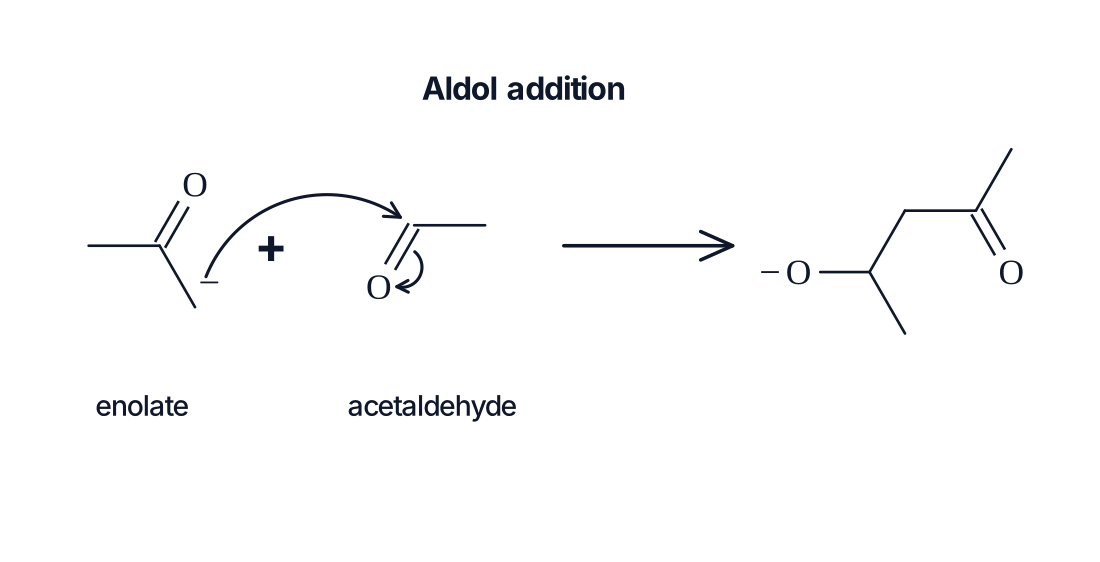
Aldoladdition
title: Aldol addition
[CH2-:1]C(C)=O "enolate" + C[CH:2]=[O:3] "acetaldehyde" -> CC([O-])CC(C)=O
move :1 -> 1..2
move 2-3 -> 3
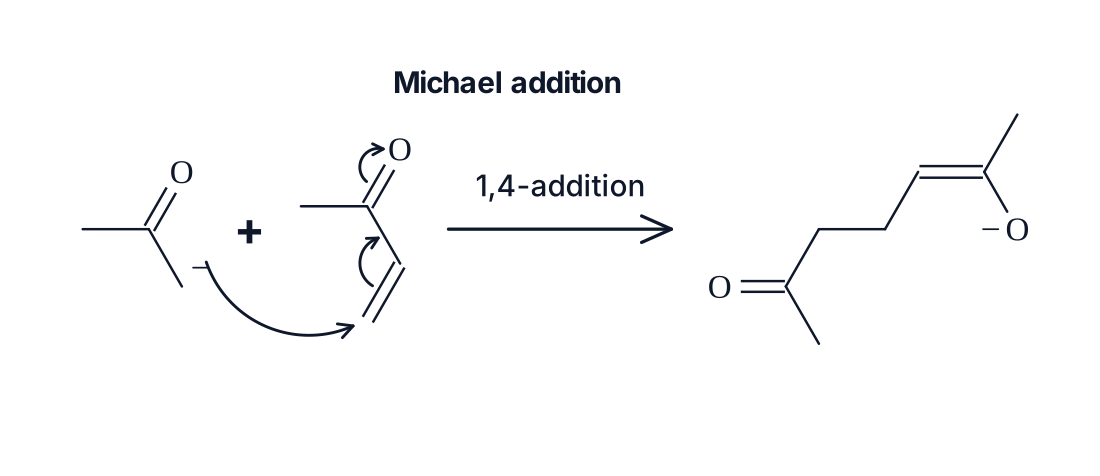
Michael-Addition
title: Michael addition
[CH2-:1]C(C)=O + [CH2:2]=[CH:3][C:4](C)=[O:5] ->[1,4-addition] CC(=O)CCC=C(C)[O-]
move :1 -> 1..2; 2-3 -> 3-4; 4-5 -> 5
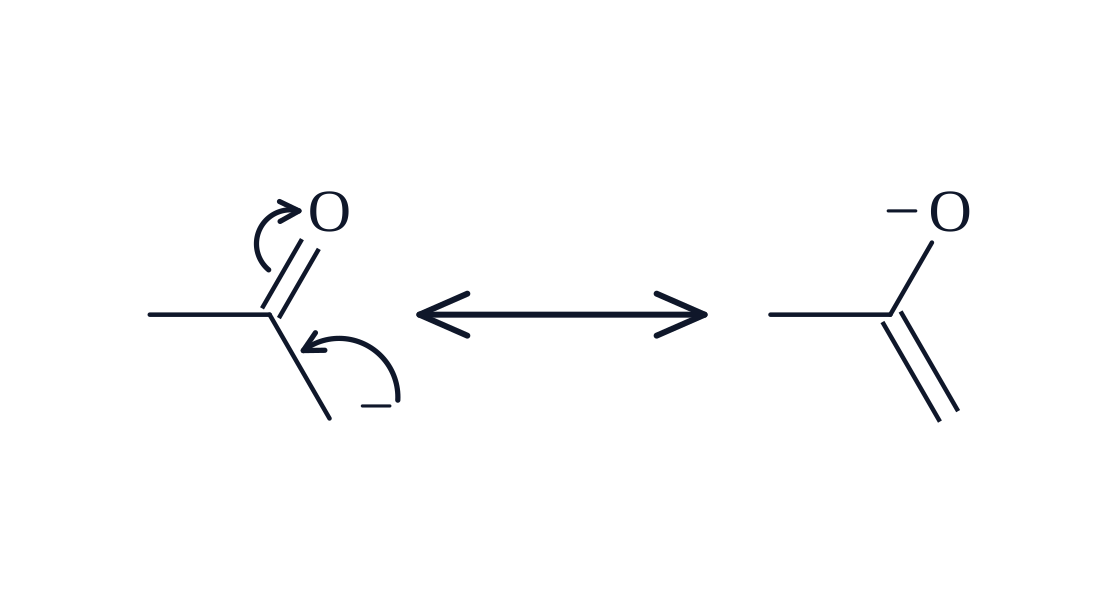
Enolat-Mesomerie
[CH2-:1][C:2](C)=[O:3] <-> C=C(C)[O-]
move :1 -> 1-2
move 2-3 -> 3
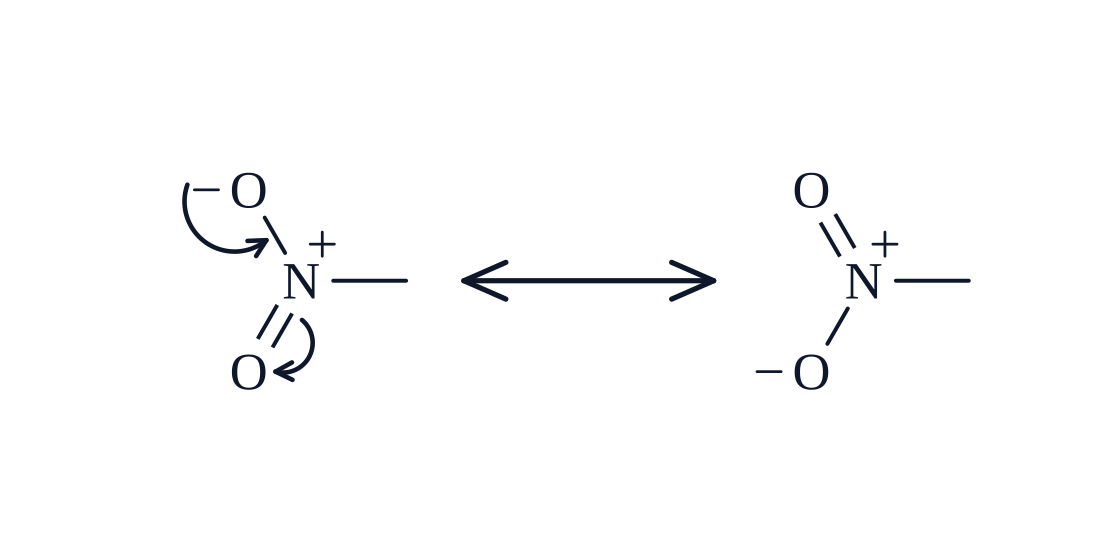
Mesomerie der Nitrogruppe
C[N+:1](=[O:2])[O-:3] <-> C[N+]([O-])=O
move :3 -> 3-1
move 1-2 -> 2
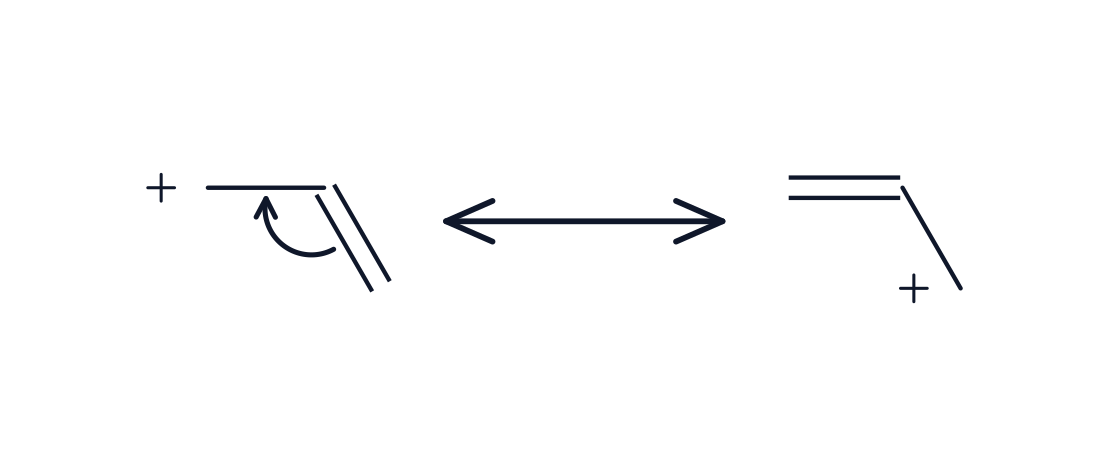
Mesomerie des Allylkations
[CH2:1]=[CH:2][CH2+:3] <-> [CH2+]C=C
move 1-2 -> 2-3
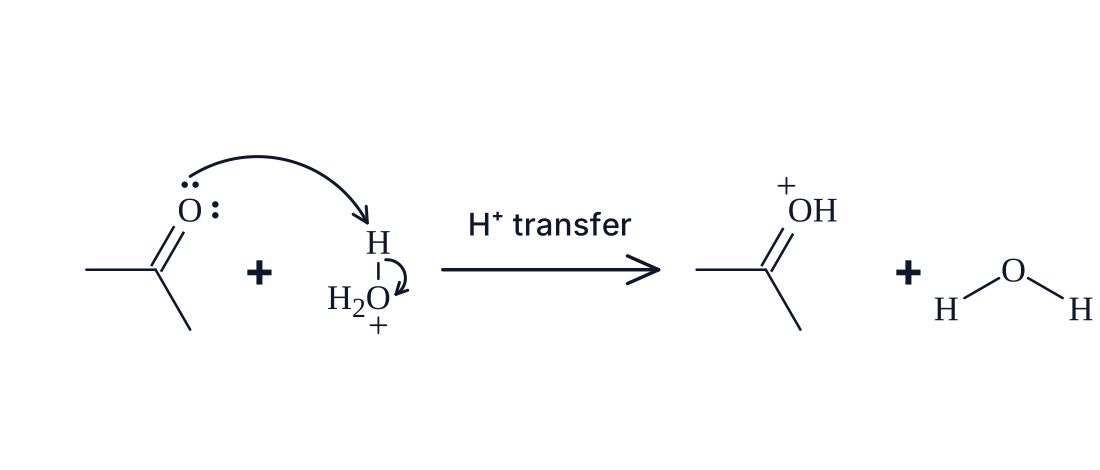
Protonierung der Carbonylgruppe
[O:1]=C(C)C + [H:3][OH2+:4] ->[H⁺ transfer] [OH+]=C(C)C + O
move :1 -> 1..3
move 3-4 -> 4
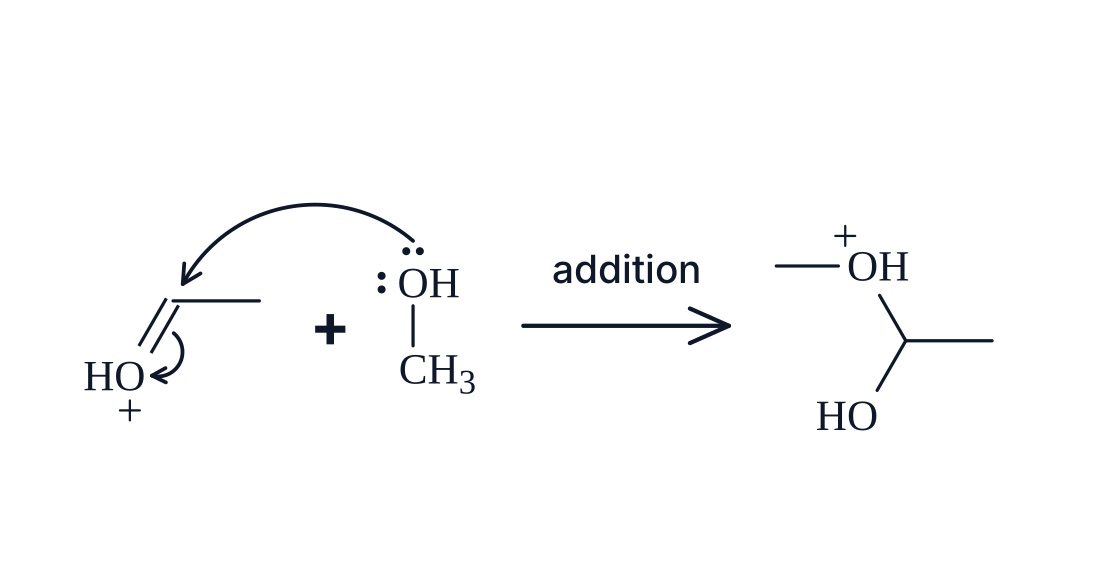
Halbacetal-Schritt
C[CH:1]=[OH+:2] + [OH:3]C ->[addition] CC(O)[OH+]C
move :3 -> 3..1
move 1-2 -> 2
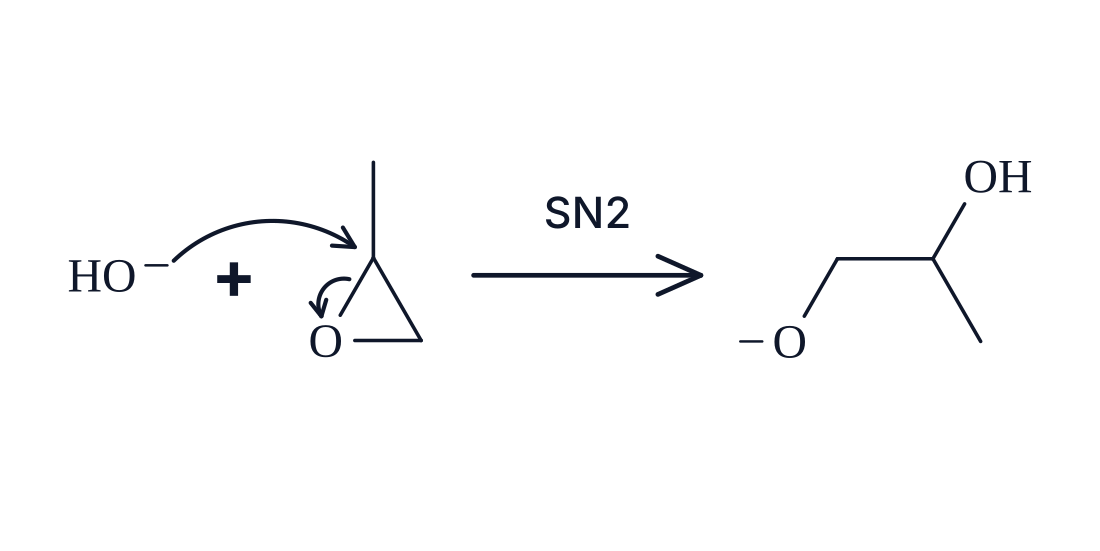
Epoxidöffnung
[OH-:1] + C[CH:2]1[O:3]C1 ->[SN2] CC(O)C[O-]
move :1 -> 1..2
move 2-3 -> 3
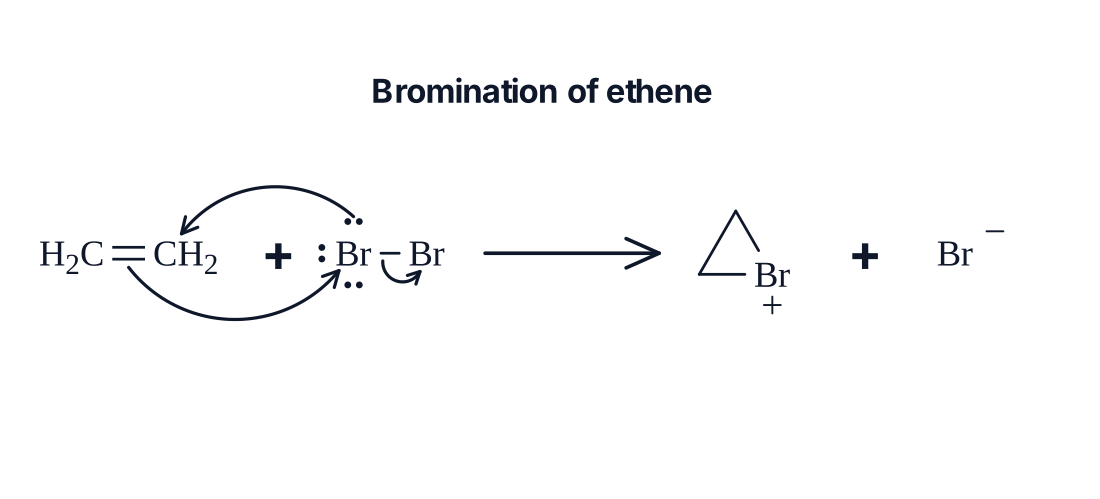
Bromierung eines Alkens
title: Bromination of ethene
[CH2:1]=[CH2:2] + [Br:3][Br:4] -> C1C[Br+]1 + [Br-]
move 1-2 -> 3; :3 -> 3..2
move 3-4 -> 4
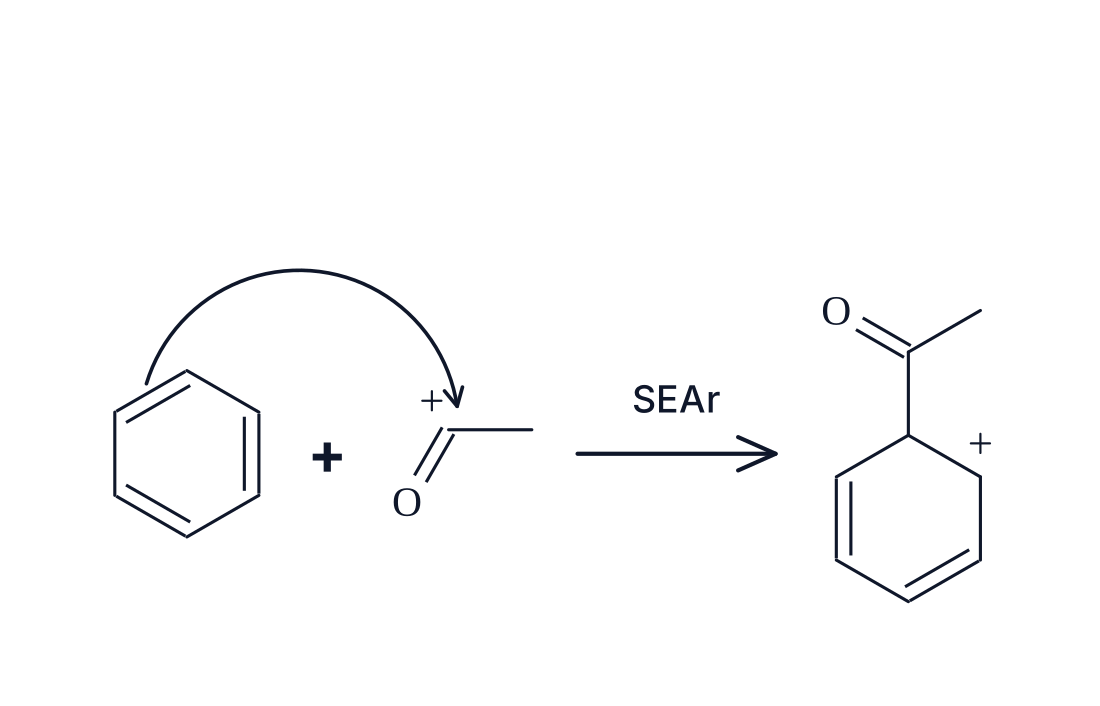
Friedel-Crafts-Angriff
[CH:1]1=[CH:2]C=CC=C1 + C[C+:3]=O ->[SEAr] CC(=O)C1C=CC=C[CH+]1
move 1-2 -> 2..3
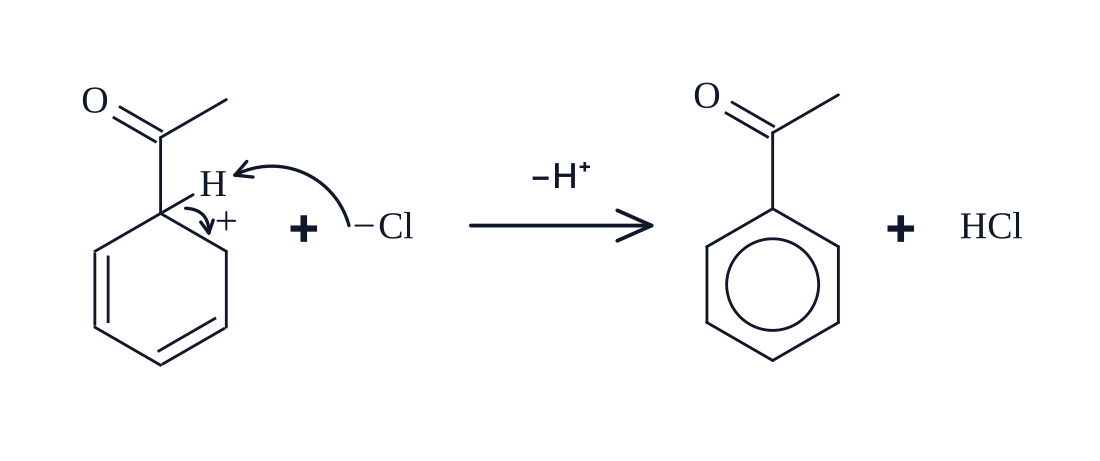
Deprotonierung des Areniumions
CC(=O)[C:1]1([H:2])C=CC=C[CH+:3]1 + [Cl-:4] ->[−H⁺] CC(=O)c1ccccc1 + Cl
move :4 -> 4..2; 2-1 -> 1-3
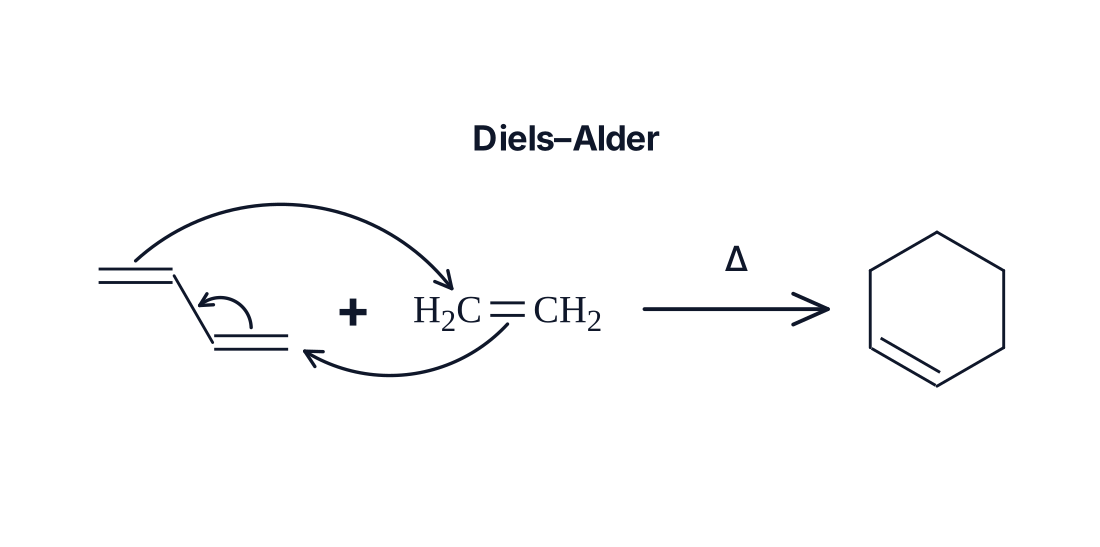
Diels-Alder
title: Diels–Alder
[CH2:1]=[CH:2][CH:3]=[CH2:4] + [CH2:5]=[CH2:6] ->[Δ] C1CC=CCC1
move 1-2 -> 2-3; 3-4 -> 4..5; 5-6 -> 6..1
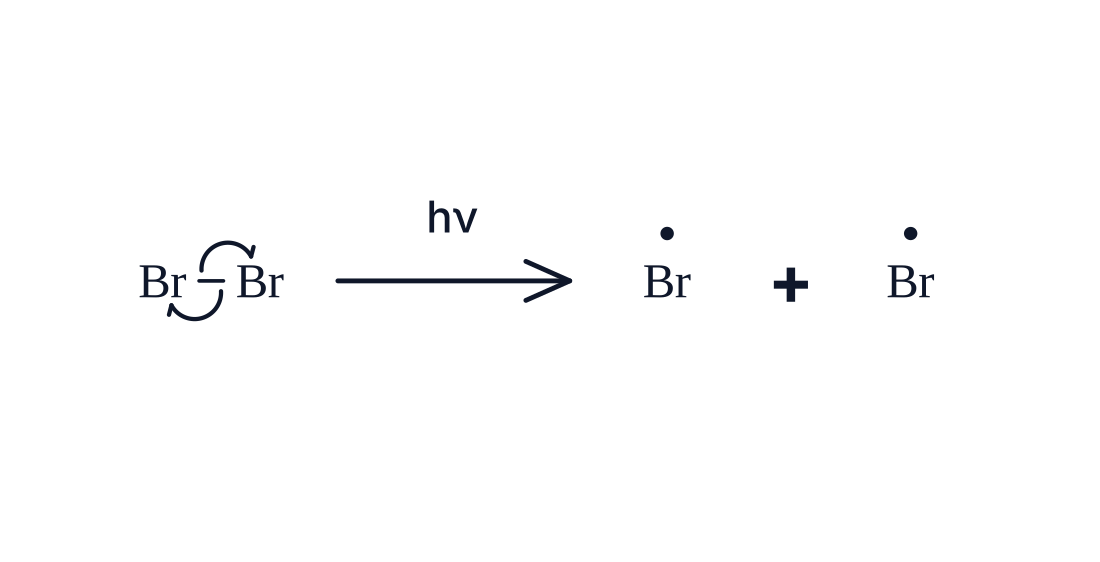
Homolyse von Brom
[Br:1][Br:2] ->[hν] [Br] + [Br]
move 1-2 ~> 1; 1-2 ~> 2
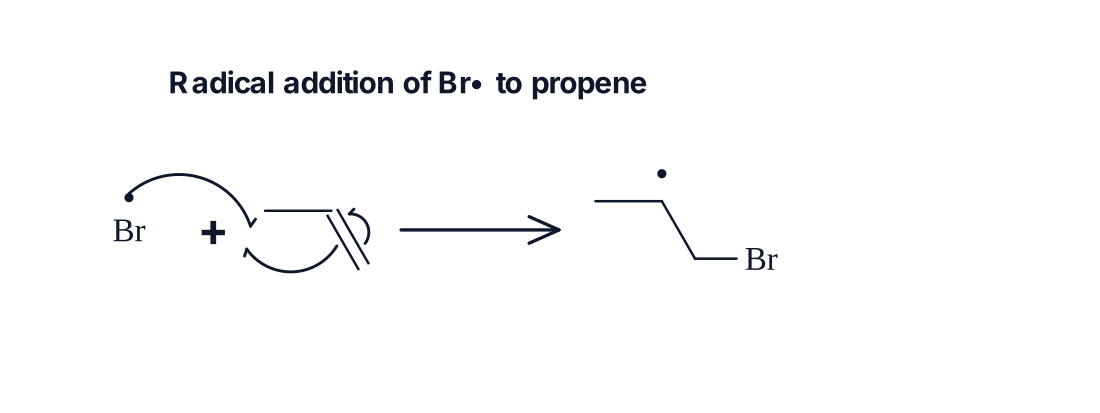
Radikalische Addition
title: Radical addition of Br• to propene
[Br:1] + [CH2:2]=[CH:3]C -> BrC[CH]C
move 1 ~> 1..2
move 2-3 ~> 1..2
move 2-3 ~> 3
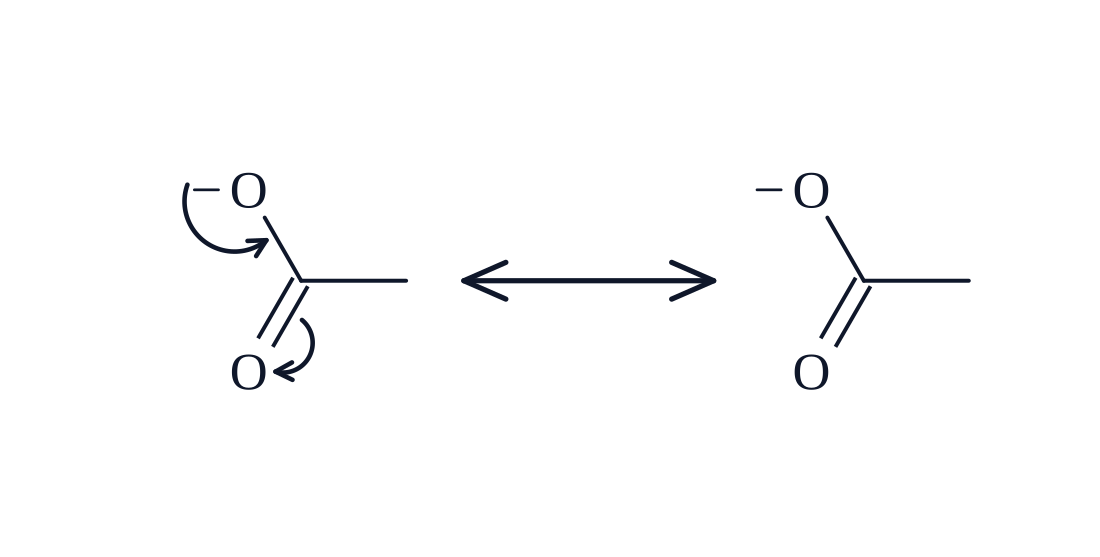
Carboxylat-Mesomerie
C[C:1](=[O:2])[O-:3] <-> CC([O-])=O
move :3 -> 3-1
move 1-2 -> 2
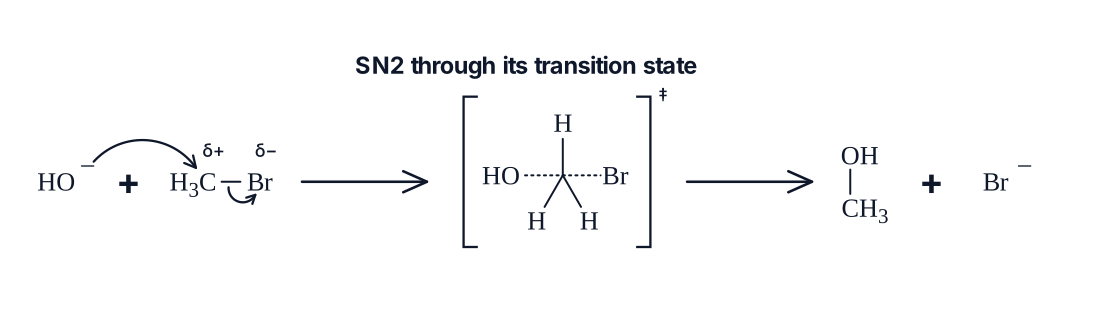
SN2 über den Übergangszustand
title: SN2 through its transition state
per-row: 5
[OH-:1] + [CH3:2][Br:3] {δ+=2 δ-=3} -> [OH]~C([H])([H])([H])~[Br] {ts} -> CO + [Br-]
move :1 -> 1..2; 2-3 -> 3
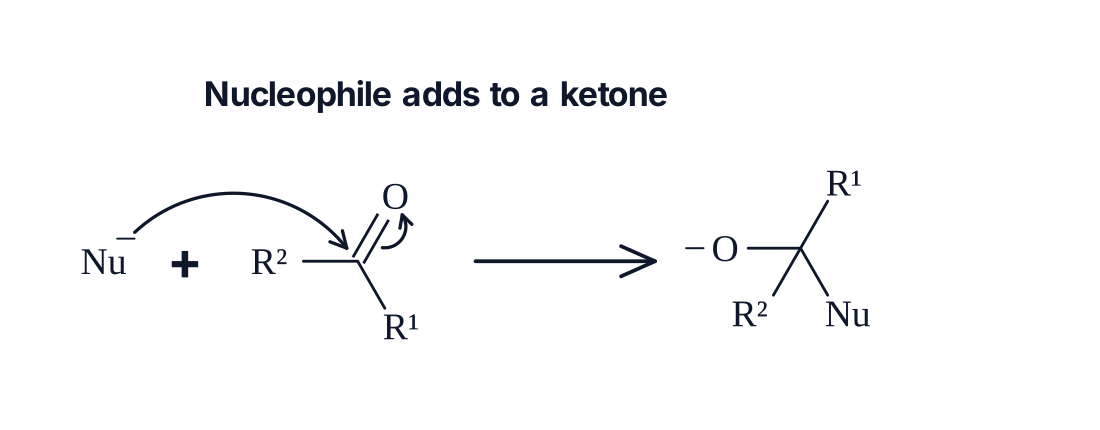
Nukleophile Addition mit R-Gruppen
title: Nucleophile adds to a ketone
[Nu-:1] + [R1][C:2](=[O:3])[R2] -> [Nu]C([R1])([R2])[O-]
move :1 -> 1..2; 2-3 -> 3
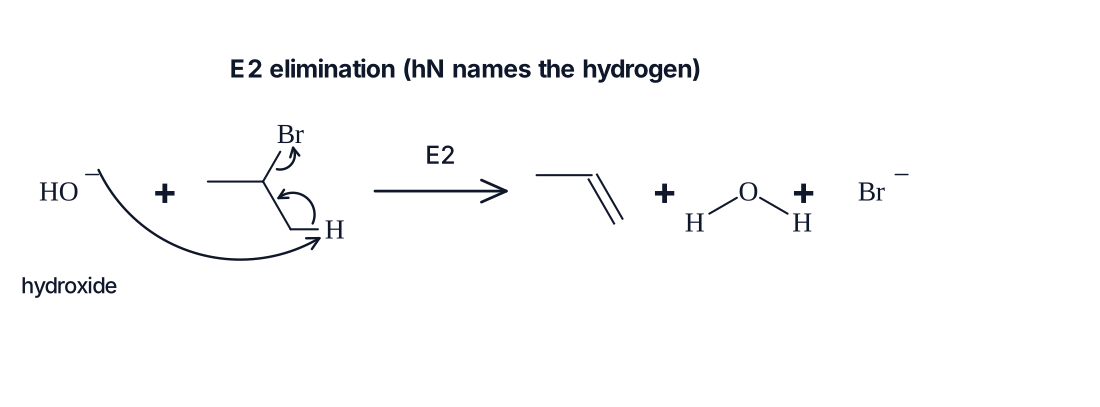
E2 mit benanntem Wasserstoff
title: E2 elimination (hN names the hydrogen)
let base = [OH-:1] "hydroxide"
$base + [CH3:2][CH:3](C)[Br:5] ->[E2] C=CC + O + [Br-]
move :1 -> 1..h2; h2-2 -> 2-3; 3-5 -> 5
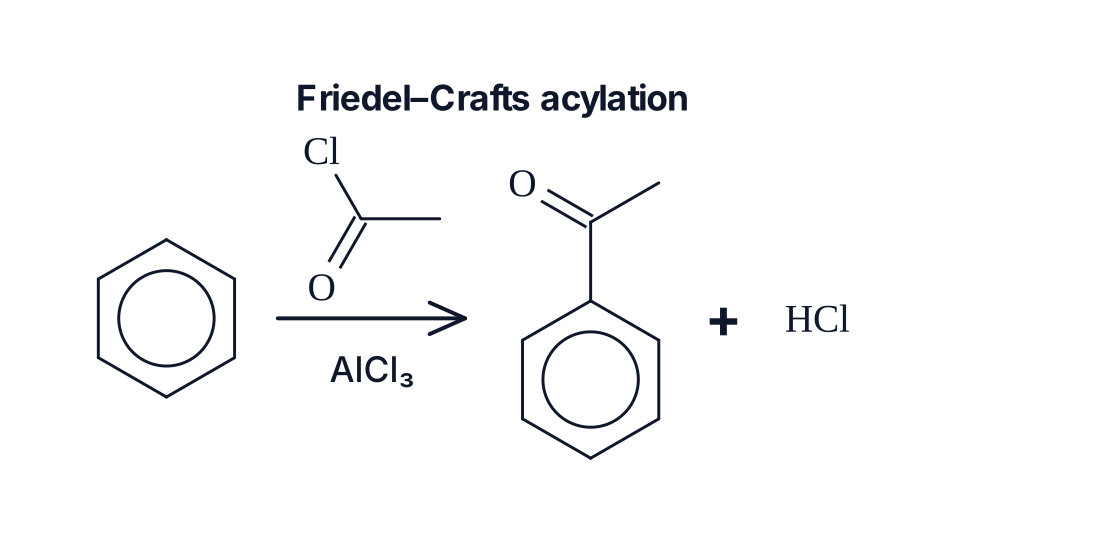
Friedel-Crafts-Acylierung mit Reagenzstruktur
title: Friedel–Crafts acylation
c1ccccc1 ->[{CC(=O)Cl}][AlCl3] CC(=O)c1ccccc1 + Cl
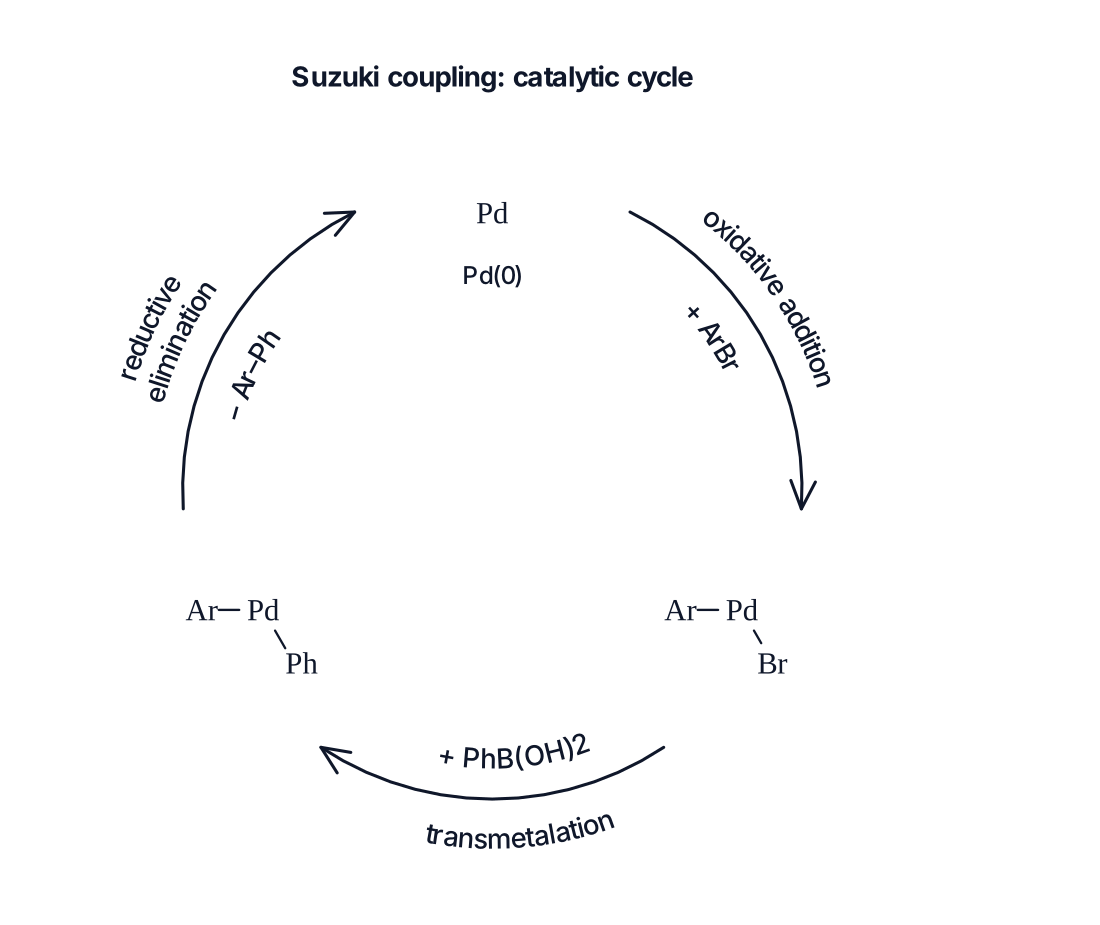
Katalysezyklus der Suzuki-Kupplung
title: Suzuki coupling: catalytic cycle
layout: cycle
[Pd] "Pd(0)" ->[oxidative addition][+ ArBr] Br[Pd][Ar]
->[transmetalation][+ PhB(OH)2] [Ph][Pd][Ar]
->[reductive elimination][− Ar–Ph] [Pd]
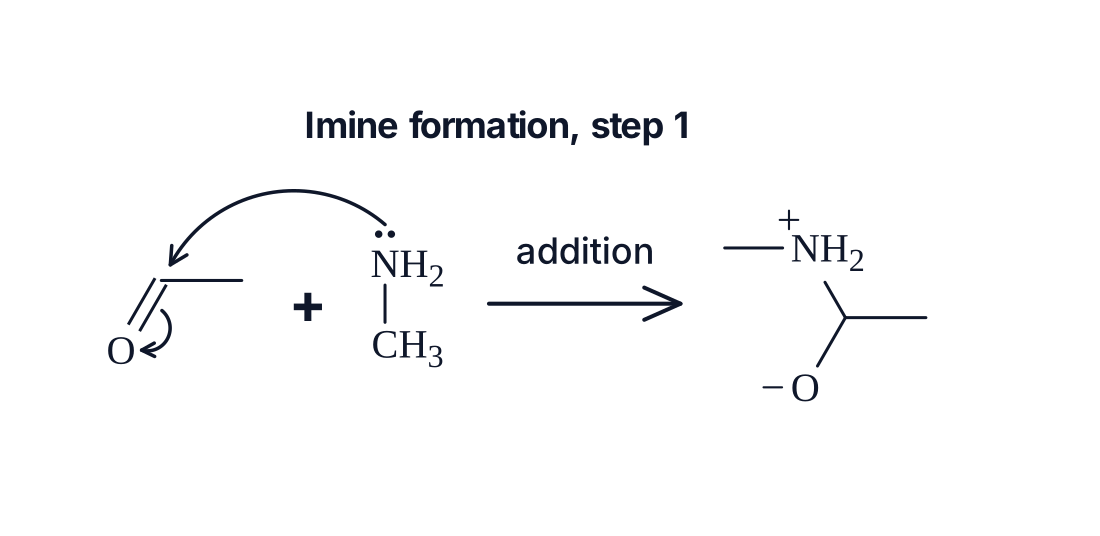
Iminbildung: Addition des Amins
title: Imine formation, step 1
C[CH:1]=[O:2] + [NH2:3]C ->[addition] CC([O-])[NH2+]C
move :3 -> 3..1; 1-2 -> 2
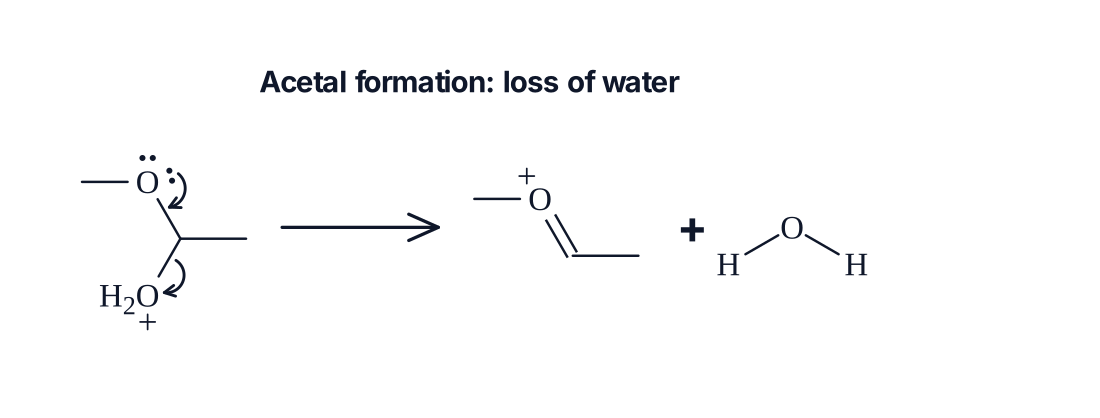
Bildung des Oxocarbeniumions (Acetal)
title: Acetal formation: loss of water
C[CH:1]([O:2]C)[OH2+:3] -> C[CH]=[O+]C + O
move :2 -> 2-1; 1-3 -> 3
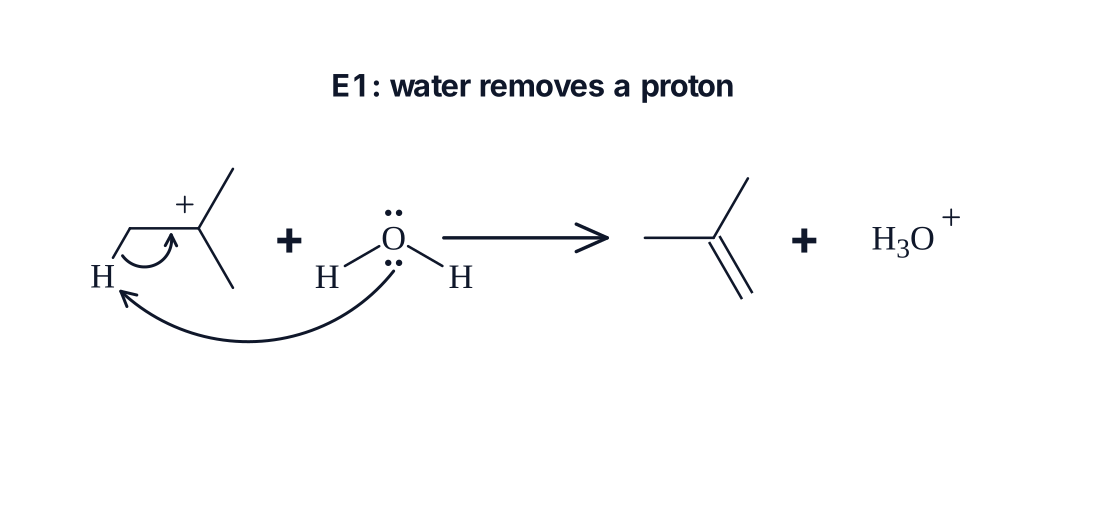
E1-Deprotonierung
title: E1: water removes a proton
C[C+:1](C)[CH3:2] + [OH2:3] -> C=C(C)C + [OH3+]
move :3 -> 3..h2; h2-2 -> 2-1
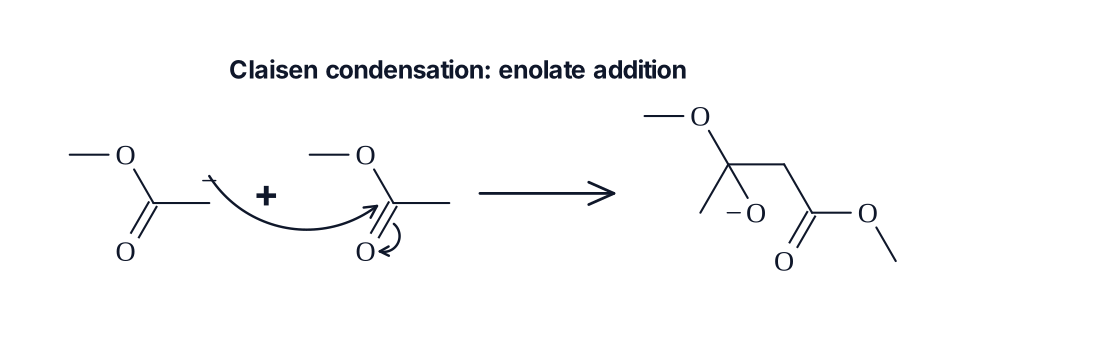
Addition bei der Claisen-Kondensation
title: Claisen condensation: enolate addition
[CH2-:1]C(=O)OC + C[C:2](=[O:3])OC -> COC(=O)CC(C)([O-])OC
move :1 -> 1..2; 2-3 -> 3
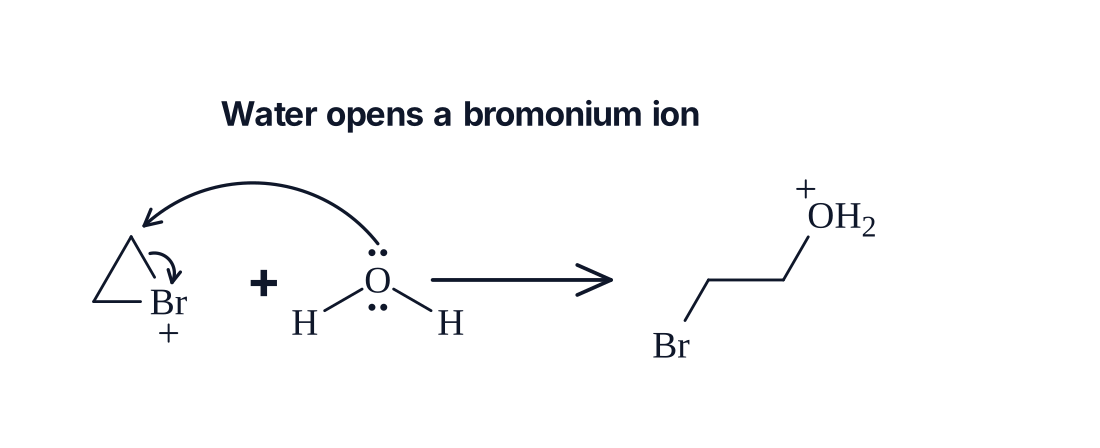
Halohydrinbildung
title: Water opens a bromonium ion
[CH2:2]1[CH2:3][Br+:1]1 + [OH2:4] -> [OH2+]CCBr
move :4 -> 4..2; 2-1 -> 1
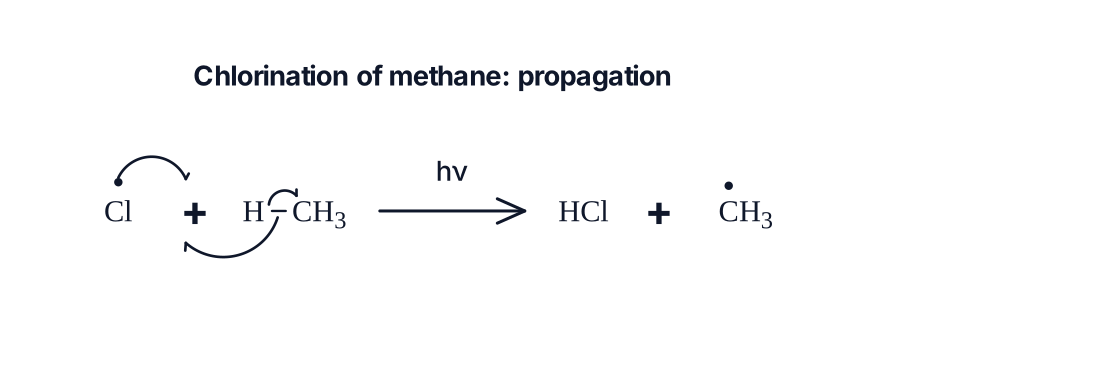
Kettenfortpflanzung der radikalischen Chlorierung
title: Chlorination of methane: propagation
[Cl:1] + [H:2][CH3:3] ->[hν] Cl + [CH3]
move 1 ~> 1..2; 2-3 ~> 1..2; 2-3 ~> 3
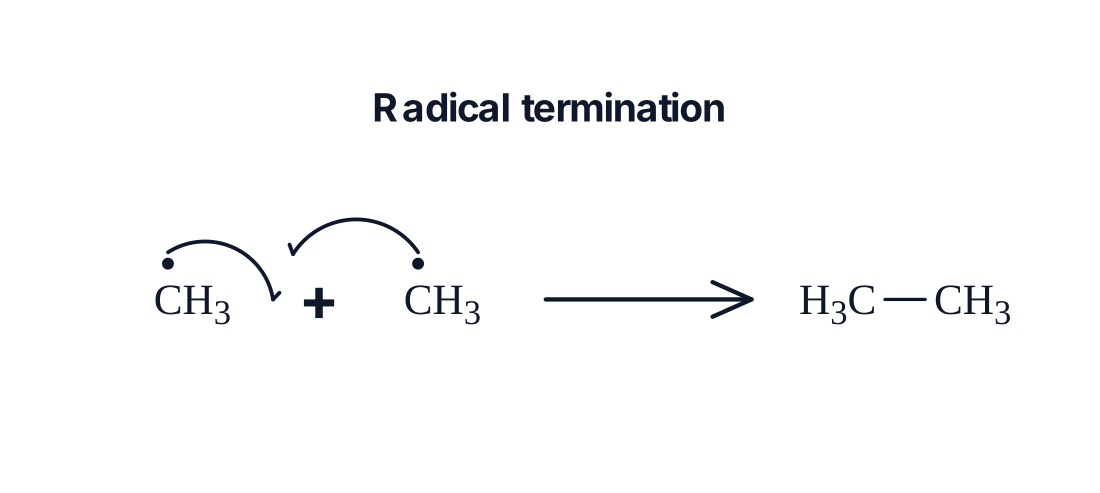
Kupplung von Methylradikalen
title: Radical termination
[CH3:1] + [CH3:2] -> CC
move 1 ~> 1..2; 2 ~> 1..2
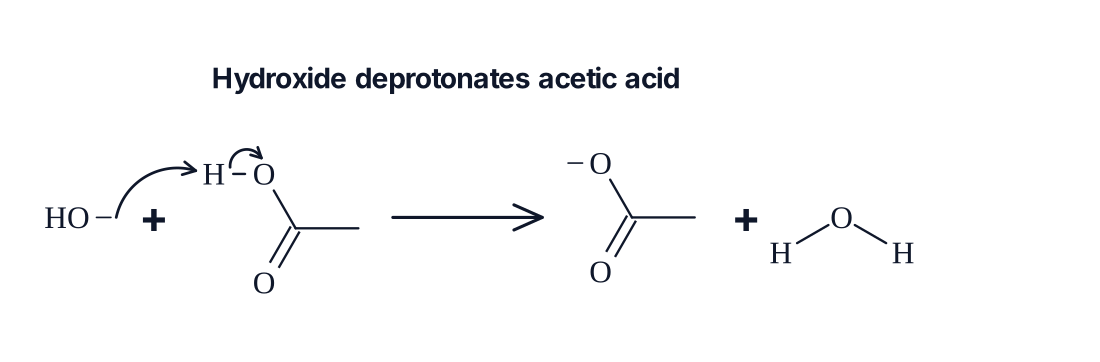
Deprotonierung einer Carbonsäure
title: Hydroxide deprotonates acetic acid
[OH-:1] + CC(=O)[OH:2] -> CC(=O)[O-] + O
move :1 -> 1..h2; h2-2 -> 2
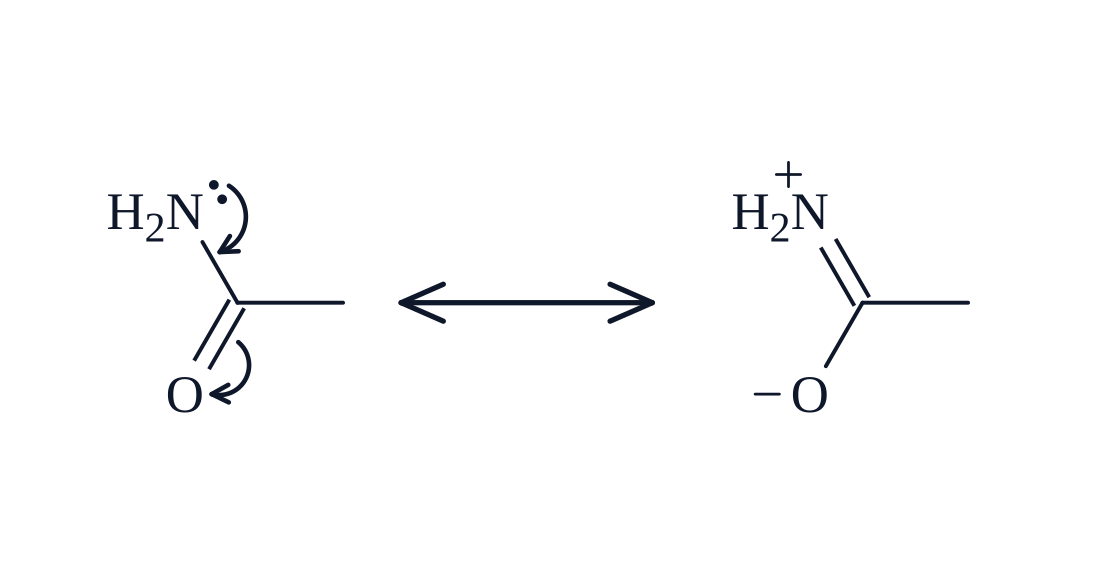
Amid-Mesomerie
C[C:1](=[O:2])[NH2:3] <-> CC([O-])=[NH2+]
move :3 -> 3-1; 1-2 -> 2
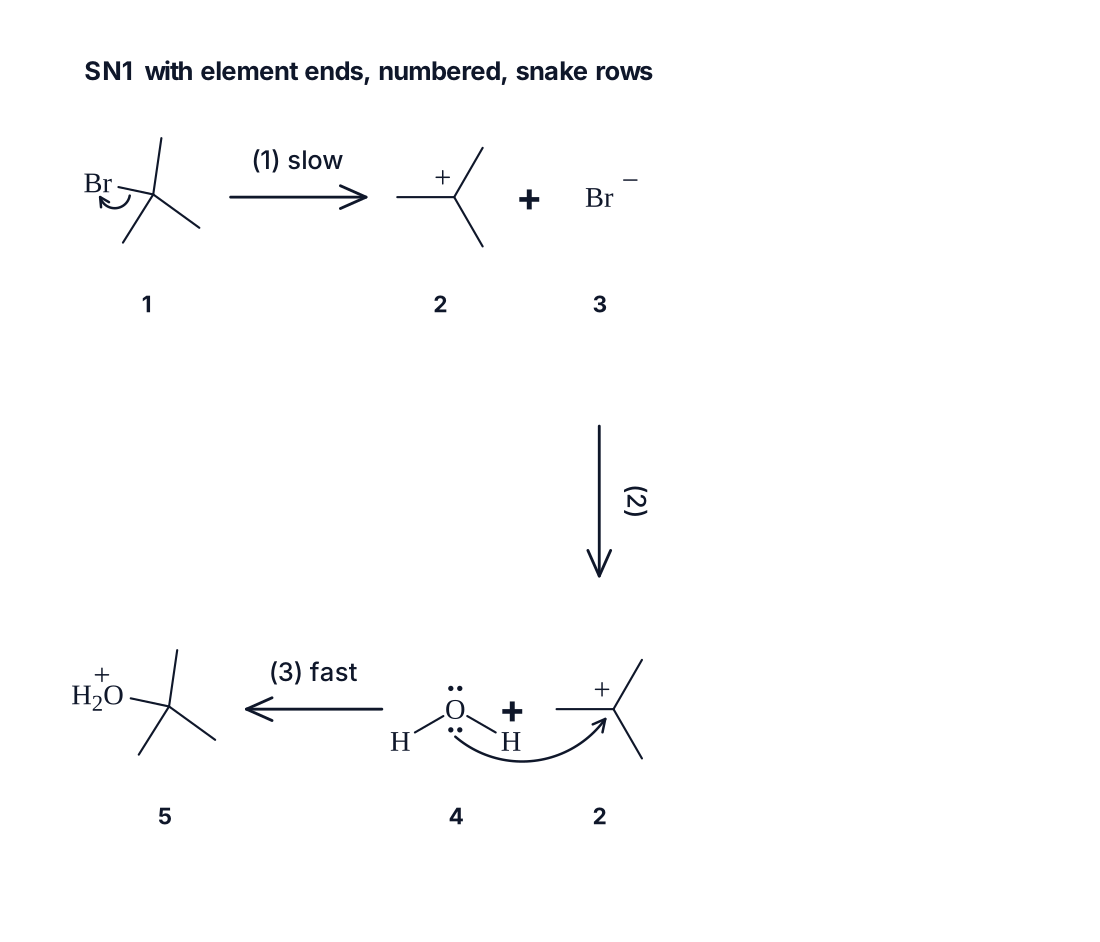
SN1 ohne Map-Nummern
title: SN1 with element ends, numbered, snake rows
number: both
wrap: snake
per-row: 3
CC(C)(C)Br ->[slow] C[C+](C)C + [Br-]
move C-Br -> Br
-> C[C+](C)C + O
move :O -> O..C+
->[fast] CC(C)(C)[OH2+]
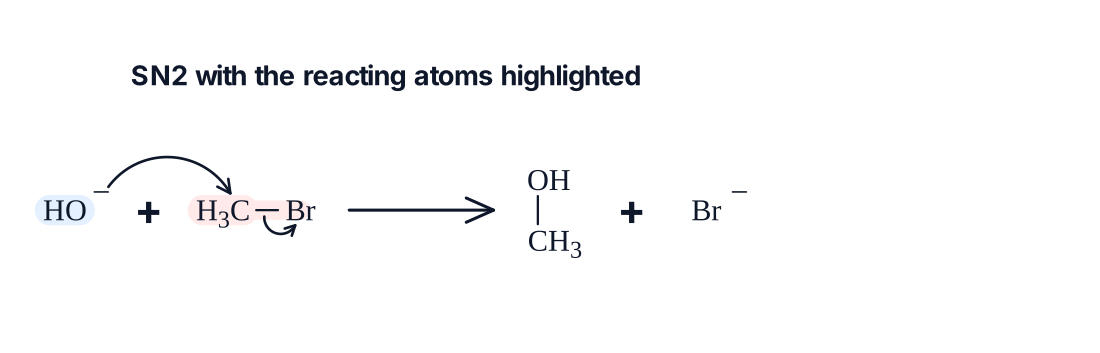
Hervorgehobene SN2
title: SN2 with the reacting atoms highlighted
[OH-:1] {highlight=1:blue} + [CH3:2][Br:3] {highlight=2/2-3:red} -> CO + [Br-]
move :1 -> 1..2; 2-3 -> 3
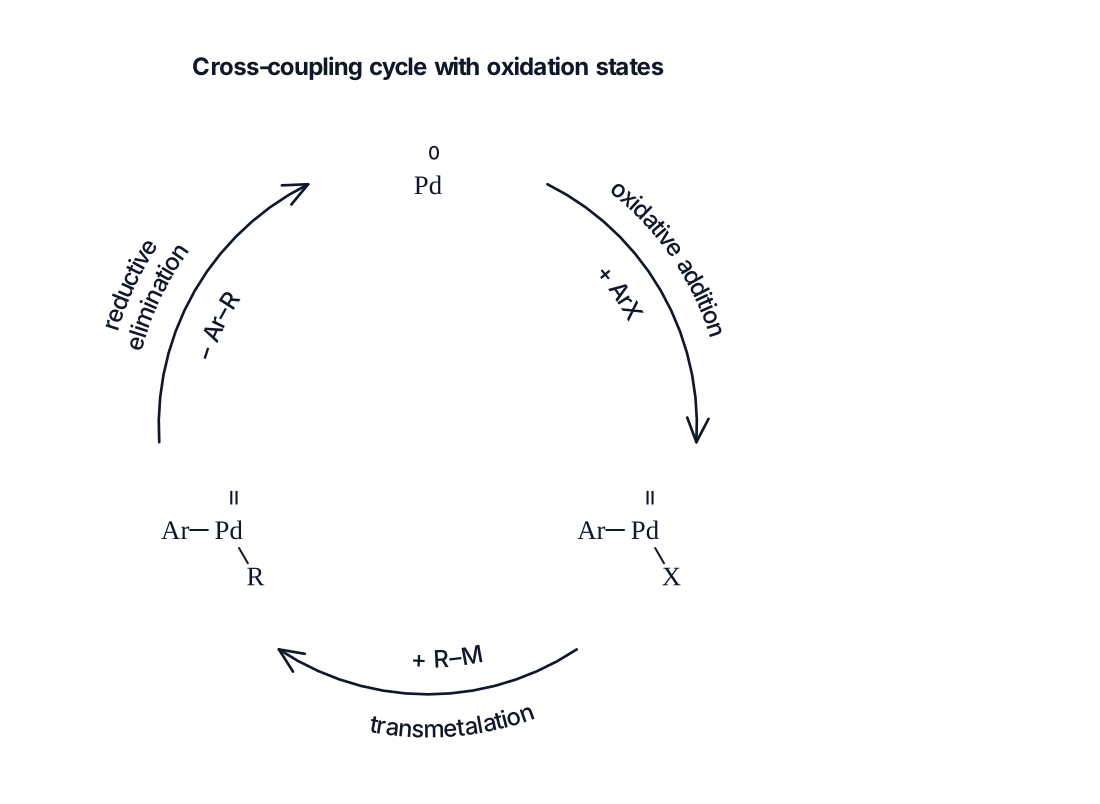
Pd-Zyklus mit Oxidationsstufen
title: Cross-coupling cycle with oxidation states
layout: cycle
[Pd:1] {ox=1:0} ->[oxidative addition][+ ArX] [X][Pd:2][Ar] {ox=2:II}
->[transmetalation][+ R–M] [R][Pd:3][Ar] {ox=3:II}
->[reductive elimination][− Ar–R] [Pd:1]
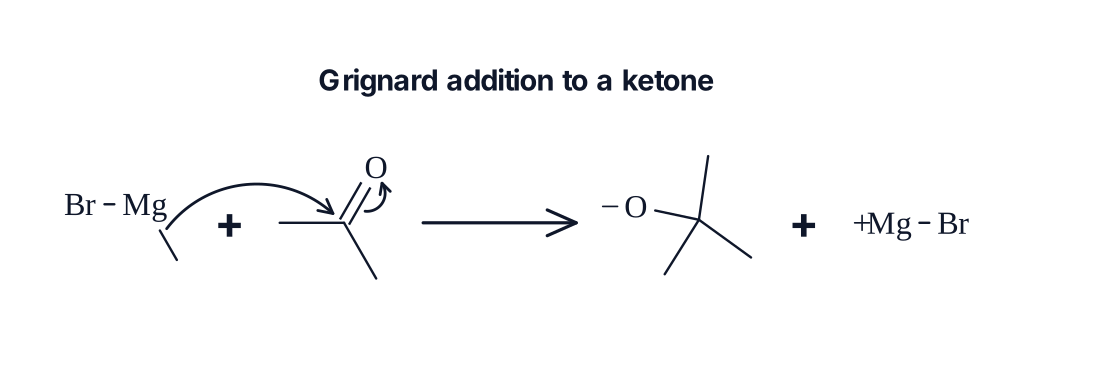
Grignard-Addition (Ionenpaar)
title: Grignard addition to a ketone
[CH3:1][Mg:2]Br + C[C:3](C)=[O:4] -> CC(C)(C)[O-] + [Mg+]Br
move 1-2 -> 1..3; 3-4 -> 4
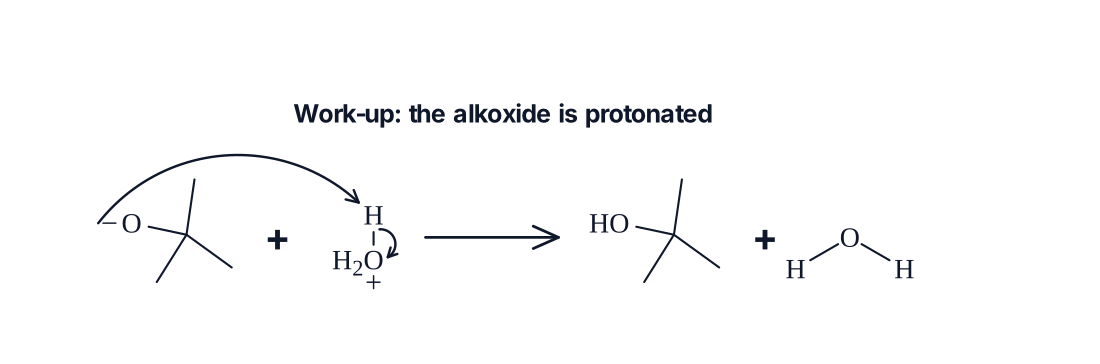
Protonierung des Alkoholats
title: Work-up: the alkoxide is protonated
CC(C)(C)[O-:1] + [H:2][OH2+:3] -> CC(C)(C)O + O
move :1 -> 1..2; 2-3 -> 3